<?xml version="1.0" encoding="utf-8" ?>
<rdf:RDF xmlns:rdf="http://www.w3.org/1999/02/22-rdf-syntax-ns#" xmlns:dc="http://purl.org/dc/elements/1.1/" xmlns:syn="http://purl.org/rss/1.0/modules/syndication/" xmlns="http://purl.org/rss/1.0/">


<channel rdf:about="http://coast.iwlearn.org/en/search_rss">
  <title>English</title>
  <link>http://coast.iwlearn.org</link>

  <description>
    
            These are the search results for the query, showing results 111 to 125.
        
  </description>


  <image rdf:resource="http://coast.iwlearn.org/logo.png"/>

  <items>
    <rdf:Seq>
      
        <rdf:li rdf:resource="http://coast.iwlearn.org/en/countries/senegal-demonstration-project-environmental-management-systems-for-hotels-in-the-saly-portudal-area-on-the-petite-cote"/>
      
      
        <rdf:li rdf:resource="http://coast.iwlearn.org/en/countries/nigeria-demonstration-project-to-develop-eco-tourism-initiatives-to-alleviate-poverty-through-sustainable-alternative-livelihoods-and-generate-revenues-for-conservation-of-biodiversity-and-for-the-benefit-of-local-populations-2013-heritage-and-cultural-ec"/>
      
      
        <rdf:li rdf:resource="http://coast.iwlearn.org/en/countries/mozambique-demonstration-project-promote-best-practices-for-environmental-management-through-improved-reef-recreation-and-management"/>
      
      
        <rdf:li rdf:resource="http://coast.iwlearn.org/en/countries/kenya-demonstration-project-integrated-sustainable-tourism-planning-and-management-at-watamu-on-the-kenya-coast"/>
      
      
        <rdf:li rdf:resource="http://coast.iwlearn.org/en/countries/ghana-demonstration-project-environmental-management-systems-eco-tourism-and-poverty-alleviation"/>
      
      
        <rdf:li rdf:resource="http://coast.iwlearn.org/en/countries/gambia-demonstration-project-eco-tourism-and-poverty-alleviation"/>
      
      
        <rdf:li rdf:resource="http://coast.iwlearn.org/en/countries/cameroon-demonstration-project-developing-eco-tourism-to-alleviate-poverty-and-contribute-towards-biodiversity-conservation"/>
      
      
        <rdf:li rdf:resource="http://coast.iwlearn.org/en/countries/Tanzania"/>
      
      
        <rdf:li rdf:resource="http://coast.iwlearn.org/en/countries/Seychelles"/>
      
      
        <rdf:li rdf:resource="http://coast.iwlearn.org/en/countries/Senegal"/>
      
      
        <rdf:li rdf:resource="http://coast.iwlearn.org/en/countries/Nigeria"/>
      
      
        <rdf:li rdf:resource="http://coast.iwlearn.org/en/countries/Mozambique"/>
      
      
        <rdf:li rdf:resource="http://coast.iwlearn.org/en/countries/Kenya"/>
      
      
        <rdf:li rdf:resource="http://coast.iwlearn.org/en/countries/Ghana"/>
      
      
        <rdf:li rdf:resource="http://coast.iwlearn.org/en/countries/Gambia"/>
      
    </rdf:Seq>
  </items>

</channel>


  <item rdf:about="http://coast.iwlearn.org/en/countries/senegal-demonstration-project-environmental-management-systems-for-hotels-in-the-saly-portudal-area-on-the-petite-cote">
    <title>Senegal</title>
    <link>http://coast.iwlearn.org/en/countries/senegal-demonstration-project-environmental-management-systems-for-hotels-in-the-saly-portudal-area-on-the-petite-cote</link>
    <description>Demo site: Saly Area; Theme: Environmental Management Systems; Management Team: Environment Focal point, Ms. Diallo Sokhna Sy; Tourism Focal Point, Ms. Dibor Sarr Faye; </description>
    <content:encoded xmlns:content="http://purl.org/rss/1.0/modules/content/"><![CDATA[<p><b> </b></p>
<p style="text-align: center; "><b>Theme: Environmental Management Systems</b></p>
<p><b> </b></p>
<p><b>Management Team </b></p>
<table class="grid listing">
<tbody>
<tr>
<td>
<p><b>TEAM</b></p>
</td>
<td>
<p><b>NAME</b></p>
</td>
</tr>
<tr>
<td>
<p><b>TOURISM FOCAL   POINT</b></p>
</td>
<td>
<p>Ms. Dibor SARR FAYE</p>
<p><b> </b></p>
</td>
</tr>
<tr>
<td>
<p><b>ENVIRONMENT   FOCAL POINT</b></p>
</td>
<td>
<p>Ms. Diallo SOKHNA SY<b> </b></p>
</td>
</tr>
</tbody>
</table>
<p><b> </b></p>
<h1>Senegal Demonstration Project: Environmental Management Systems for hotels in the Saly Portudal area on the Petite Cote</h1>
<p><img src="http://coast.iwlearn.org/en/images/senegal.jpg/@@images/f0f6cb30-960f-4ad7-875b-b6624ddccbc8.jpeg" alt="senegal.jpg" class="image-right" title="senegal.jpg" /></p>
<p>The tourism industry in <b>Senegal</b> has grown at an annual rate of around 10% over the past 3 decades and now ranks as the second industry in terms of foreign exchange earnings. There are two demonstration projects in Senegal, both placed along the Petite Cote beach area of the country. One project is called; <b>Environmental Management Systems for hotels in the Saly Portudal area on the Petite Cote,</b> and aims to have hotels implement Environmental Management Systems (EMS) and incorporate environmental management criteria into new developments.</p>]]></content:encoded>
    <dc:publisher>No publisher</dc:publisher>
    <dc:creator>Taya Santives</dc:creator>
    <dc:rights></dc:rights>
    <dc:date>2012-07-02T10:50:00Z</dc:date>
    <dc:type>Page</dc:type>
  </item>


  <item rdf:about="http://coast.iwlearn.org/en/countries/nigeria-demonstration-project-to-develop-eco-tourism-initiatives-to-alleviate-poverty-through-sustainable-alternative-livelihoods-and-generate-revenues-for-conservation-of-biodiversity-and-for-the-benefit-of-local-populations-2013-heritage-and-cultural-ec">
    <title>Nigeria</title>
    <link>http://coast.iwlearn.org/en/countries/nigeria-demonstration-project-to-develop-eco-tourism-initiatives-to-alleviate-poverty-through-sustainable-alternative-livelihoods-and-generate-revenues-for-conservation-of-biodiversity-and-for-the-benefit-of-local-populations-2013-heritage-and-cultural-ec</link>
    <description>Demo site: Badagry Peninsular; Theme: Eco-tourism; Management Team:Environment Focal Point: Mr. Hassan Adeyemi Sanuth; Tourism Focal Point: Mrs. Anthonia M. Johnson; Demo Project Coordinator: Mr. Peter Olaide-Mesewaku </description>
    <content:encoded xmlns:content="http://purl.org/rss/1.0/modules/content/"><![CDATA[<p><b>Nigeria</b> has a coastline that is rich in natural resources which stretches for over 700 kilometers, yet less than 4% of GDP comes from tourism and up to 2000 only 80,000 tourists visited the country annually. The demonstration project is called; <b>Heritage and cultural eco-tourism along the Badagry peninsula</b>, and aims to mainstream environmental considerations into conventional tourism master planning processes, with an emphasis on cultural and heritage assets.</p>
<p style="text-align: justify; "><img src="http://coast.iwlearn.org/en/images/nigeria01.jpg/image_preview" alt="nigeria01.jpg" class="image-right" title="nigeria01.jpg" />Nigeria’s involvement in the preparation of the African Process (Management of the Coastal and Marine Environment in sub-Saharan Africa) already was a sign of the existing political will by the country to endorse positive development activities towards the proper management of coastal areas. Tourism is becoming one of Nigeria’s fastest growing industries. Many areas along the coast are exceptionally favourable to coastal tourism. Nigeria has a coastline that is rich in natural resources which stretches for over 700 kilometres and dotted with small coastal settlements which engage primarily in farming, fishing, and trading. The Calabar coast for example is blessed with natural attractions like game reserves, a national park with variety of rare primates, birds and other fauna. In addition, beautiful coastline areas exist at Badagry and in the Akassa area.</p>
<p style="text-align: justify; "><a href="http://coast.iwlearn.org/en/countries/project-documents-reports/demonstration-projects-background-documents2/nigeria-demonstration-project-background-document"> <b>For more details view here</b></a></p>
<p style="text-align: justify; ">Heritage and cultural eco-tourism along the Badagry Peninsular</p>
<p style="text-align: justify; ">At the end of the planning phase for the COAST project (mid 2006) each partner country had produced (with consultant support) a narrative project document describing in general terms the proposed demonstration project(s). There was no logical framework, no work plan, and only a total budget figure (see below) to guide stakeholders in beginning to implement the project. From January 2009 through to June 2009, based upon a one week visit by the Technical Coordinator to each partner country (during the Inception period of the COAST project) a revised narrative, new logical framework, first year work plan and indicative GEF support budget were developed and discussed. Subsequent to each country visit further support has been provided through email discussions. This demonstration project document now provides a more concise definition of the activities and outputs which are expected to be undertaken at site 1 in the Nigeria demonstration project. This short note highlights what are foreseen to be the main challenges in now starting to implement the work. This paper has been written as a subsidiary contribution to the general overview provided in the Inception Report.</p>
<p style="text-align: justify; "><a href="http://coast.iwlearn.org/en/countries/project-documents-reports/demonstration-projects-background-documents2/nigeria-demonstration-project-background-document-annex-b"> <b>For more details view here</b></a></p>
<p style="text-align: center; "><b>Demo site: BADAGRY PENINSULAR</b></p>
<p style="text-align: center; "><b> </b></p>
<p style="text-align: center; "><b>Theme: Eco-tourism</b></p>
<p style="text-align: justify; "><b> </b></p>
<p style="text-align: justify; "><b>Management Team </b></p>
<p style="text-align: justify; "><b> </b></p>
<table class="listing grid" style="text-align: justify; ">
<tbody>
<tr>
<td>
<p><b>TEAM</b></p>
</td>
<td>
<p><b>NAME</b></p>
</td>
</tr>
<tr>
<td>
<p><b>DEMO PROJECT   COORDINATOR</b></p>
</td>
<td>
<p>Mr. Peter   OLAIDE-MESEWAKU<b> </b></p>
</td>
</tr>
<tr>
<td>
<p><b>ENVIRONMENT   FOCAL POINT</b></p>
</td>
<td>
<p>Mr. Hassan Adeyemi <br />SANUTH</p>
<p><b> </b></p>
</td>
</tr>
<tr>
<td>
<p><b>TOURISM FOCAL   POINT</b></p>
</td>
<td>
<p>Ms. Anthonia M JOHNSON</p>
</td>
</tr>
</tbody>
</table>]]></content:encoded>
    <dc:publisher>No publisher</dc:publisher>
    <dc:creator>Taya Santives</dc:creator>
    <dc:rights></dc:rights>
    <dc:date>2012-07-02T10:50:00Z</dc:date>
    <dc:type>Page</dc:type>
  </item>


  <item rdf:about="http://coast.iwlearn.org/en/countries/mozambique-demonstration-project-promote-best-practices-for-environmental-management-through-improved-reef-recreation-and-management">
    <title>Mozambique</title>
    <link>http://coast.iwlearn.org/en/countries/mozambique-demonstration-project-promote-best-practices-for-environmental-management-through-improved-reef-recreation-and-management</link>
    <description>Demo site: Inhambane District Coastline; Theme: Eco-tourism, Reef and Marine Recreation Management, Environmental Management Systems; Team: Environment Focal Point: Mr Alexandre Bartolomeu; Tourism Focal Point: Ms. Maria Cidalia Mahumane; Tourism Focal Point: Ms. Oraca Cuambe; Demo Project Coordinator: Mr. Luzio Luis Francisco Nhavene </description>
    <content:encoded xmlns:content="http://purl.org/rss/1.0/modules/content/"><![CDATA[<p style="text-align: justify; ">With 2,700 km of tropical coastline, abundant natural ecosystems and a rich cultural heritage, the tourism potential of Mozambique speaks for itself. Tourism accounted for 16% of total investment applications in Mozambique over the five year period (1998 – 2002). The COAST demonstration project is called; Community-based eco-tourism, reef management and environmental management systems, Inhambane district coastline, and aims to; promote local involvement in commercially viable tourism, with improved coordination and cooperation between both local and national stakeholders.</p>
<h1 class="kssattr-macro-title-field-view kssattr-templateId-kss_generic_macros kssattr-atfieldname-title documentFirstHeading" style="text-align: left; ">Mozambique Demonstration Project: Promote best practices for environmental management through improved reef recreation and management</h1>
<div style="text-align: justify; "></div>
<p style="text-align: justify; ">Historically, Mozambique had a thriving tourism industry, mainly in the centre and south of the country, with (the former) Rhodesia and South Africa providing the main markets. In recent years tourism has re-emerged and is now one of the fastest recovering sectors of the economy, with most tourists coming from South Africa.</p>
<div style="text-align: justify; ">
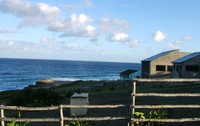
<p style="text-align: justify; "><img src="http://coast.iwlearn.org/en/images/mozam02.jpg/image_preview" alt="mozam02.jpg" class="image-right" title="mozam02.jpg" />The tourism potential of Mozambique speaks for itself, with 2700 km of tropical coastline, abundant nature and a rich cultural heritage. Tourism contributed 1.2 per cent to the national GDP of Mozambique IN 2002 (Ministry of Planning and Finance); this is very low, compared to a contribution of 8 percent in South Africa and an average contribution to GDP of 6.9 percent to GDP in sub-Saharan Africa. As a prospective investment sector, tourism is doing well however.</p>
</div>
<p style="text-align: justify; "><a href="http://coast.iwlearn.org/en/countries/project-documents-reports/demonstration-projects-background-documents2/mozambique-demonstration-project-background-document"> For more details click here</a></p>
<p style="text-align: justify; "><a href="http://coast.iwlearn.org/publications/projectdocuments/demonstration-projects-background-documents/mozambique-demonstration-project-background-document"> </a><b>To promote improved conservation, management and monitoring of coastal biodiversity (including reef areas), and to enhance and diversify local livelihoods through eco-tourism as a means of alleviating poverty</b></p>
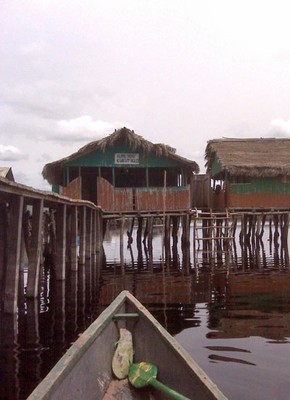
<p style="text-align: justify; "><img src="http://coast.iwlearn.org/en/images/mozam05.jpg/image_mini" alt="mozam05.jpg" class="image-left" title="mozam05.jpg" />At the end of the planning phase for the COAST project (mid 2006) each partner country had produced (with consultant support) a narrative project document describing in general terms the proposed demonstration project(s). There was no logical framework, no work plan, and only a total budget figure (see below) to guide stakeholders in beginning to implement the project. From January 2009 through to June 2009, based upon a one week visit by the Technical Coordinator to each partner country (during the Inception period of the COAST project) a revised narrative, new logical framework, first year work plan and indicative GEF support budget were developed and discussed. Subsequent to each country visit further support has been provided through email discussions. The demonstration project document now provides a more concise definition of the activities and outputs which are expected to be undertaken at the two sub sites in the Mozambique demonstration project. This short note highlights what are foreseen to be the main challenges in now starting to implement the work. This paper has been written as a subsidiary contribution to the general overview provided in the Inception Report.</p>
<p style="text-align: justify; "><a href="http://coast.iwlearn.org/en/countries/project-documents-reports/demonstration-projects-background-documents2/mozambique-demonstration-project-background-document-annex-b"> <b>For more details view here</b></a></p>
<p style="text-align: center; "><b>Demo site: Inhambane District Coastline</b></p>
<p style="text-align: center; "><b> </b></p>
<p style="text-align: center; "><b>Theme: Eco-tourism, Reef and Marine Recreation Management, Environmental Management Systems</b></p>
<table class="grid listing">
<tbody>
<tr>
<td>
<p><b>TEAM</b></p>
</td>
<td>
<p><b>NAME</b></p>
</td>
</tr>
<tr>
<td>
<p><b>DEMO PROJECT   COORDINATOR</b></p>
</td>
<td>
<p>Mr.   Luzio Luis FRANCISCO NHAVENE</p>
</td>
</tr>
<tr>
<td>
<p><b>ENVIRONMENT   FOCAL POINT</b></p>
</td>
<td>
<p>Mr Alexandre BARTOLOMEU</p>
<p><b> </b></p>
</td>
</tr>
<tr>
<td>
<p><b>TOURISM FOCAL   POINT</b></p>
</td>
<td>
<p>Ms. Maria CIDALIA   MAHUMANE</p>
<p><b> </b></p>
</td>
</tr>
<tr>
<td>
<p><b>TOURISM FOCAL   POINT</b></p>
</td>
<td>
<p>Ms. Oraca Cuambe</p>
</td>
</tr>
</tbody>
</table>]]></content:encoded>
    <dc:publisher>No publisher</dc:publisher>
    <dc:creator>Taya Santives</dc:creator>
    <dc:rights></dc:rights>
    <dc:date>2012-07-02T10:50:00Z</dc:date>
    <dc:type>Page</dc:type>
  </item>


  <item rdf:about="http://coast.iwlearn.org/en/countries/kenya-demonstration-project-integrated-sustainable-tourism-planning-and-management-at-watamu-on-the-kenya-coast">
    <title>Kenya</title>
    <link>http://coast.iwlearn.org/en/countries/kenya-demonstration-project-integrated-sustainable-tourism-planning-and-management-at-watamu-on-the-kenya-coast</link>
    <description>Demo site: Watamu Area; Theme: Eco-tourism, Reef and Marine Recreation Management, Environmental Management Systems; Management Team: Environment Focal Point: Mr. Stephen Katua; Tourism Focal Point: Ms. Lilian Ayimba; Demo Project Coordinator: Mr. Samuel Nganga Kaloki </description>
    <content:encoded xmlns:content="http://purl.org/rss/1.0/modules/content/"><![CDATA[<p style="text-align: justify; "><b> </b></p>
<p style="text-align: justify; ">In Kenya, tourism has been steadily growing both in terms of numbers and revenue generated since independence and it continues to be one of the most important economic sectors in the country. Tourism contributes 12.5% of the GDP to the country in 2011, the total earnings from this sector was 97.9 Billion shillings (Kenya National Bureau of Statistics Economic Survey 2012). The COAST Project demonstration project is called; Integrated Planning and Management of Sustainable Tourism at the Coastal Area of Watamu, and aims to, promote best practices in mitigating environmental impacts of tourism and conserve globally significant biodiversity through; the introduction of environmental management systems, strengthening eco-tourism, and improved reef recreation management.</p>
<h1 style="text-align: justify; ">Kenya Demonstration Project: Integrated Sustainable Tourism Planning and Management at Watamu on the Kenya Coast</h1>
<p style="text-align: justify; "><img src="http://coast.iwlearn.org/en/images/thumb-kenya.jpg" alt="kenya01.jpg" class="image-left" title="thumb-kenya.jpg" /></p>
<p style="text-align: justify; ">Tourism contributes 12.5% of the GDP to the country, of which, coastal tourism accounts for 60%. Even though safari tourism has been for years the main tourist product for East Africa, the coastal region is currently the main tourist destination for both national and international tourists (visitors). Immediately after independence, tourism was the fastest growing sector of the Kenyan economy. Only coffee and tea production brought in more foreign exchange. Income from tourism first exceeded that from coffee in 1989. Between 1990 and 1993, 3.23 million foreign visitors came to Kenya, representing about 5% of the tourist trade in Africa and about 28% of that of Eastern Africa. However, besides the positive gains from tourism, the sector also impacts negatively on the coastal and marine environment. The first hotels in the northern part of Diani were built in the late 1960s/early 1970s, and over time it has grown to become Kenya’s most developed beach resorts. Beach front property that was priced at thousands of Kenya shillings an acre 30 years ago, are now sold in the range tens of millions. The result has been exclusion of fishing and other local communities from prime land with beachfront access, and the northern part of Diani has already lost three traditional fishery landing sites. In the past, intense competition has existed between fishing and tourism and other development interests, with the latter succeeding in taking over beach-front land and conversion of many public access routes to private property.</p>
<p style="text-align: justify; "><a href="http://coast.iwlearn.org/en/countries/project-documents-reports/demonstration-projects-background-documents2/kenya-demonstration-project-background-document"> For more details view here</a></p>
<p style="text-align: justify; "><b>Integrated Sustainable Tourism Destination Planning</b></p>
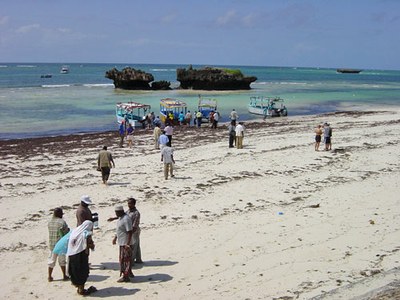
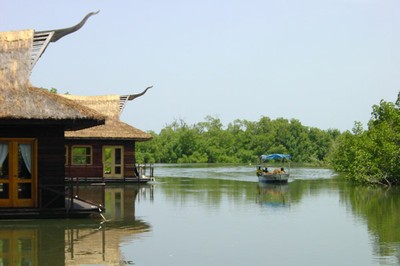
<p style="text-align: justify; "><img src="http://coast.iwlearn.org/en/gallery/kenya/kenya02.jpg/@@images/1de2fee2-07ed-471a-be88-d225205e4a69.jpeg" title="kenya02.jpg" height="273" width="364" alt="kenya02.jpg" class="image-right" />At the end of the planning phase for the COAST project (mid 2006) each partner country had produced (with consultant support) a narrative project document describing in general terms the proposed demonstration project(s). There was no logical framework, no work plan, and only a total budget figure (see below) to guide stakeholders in beginning to implement the project. From January 2009 through to June 2009, based upon a one week visit by the Technical Coordinator to each partner country (during the Inception period of the COAST project) a revised narrative, new logical framework, first year work plan and indicative GEF support budget were developed and discussed. Subsequent to each country visit further support has been provided through email discussions. This demonstration project document now provides a more concise definition of the activities and outputs which are expected to be undertaken at the site in the Kenya demonstration project. This short note highlights what are foreseen to be the main challenges in now starting to implement the work. This paper has been written as a subsidiary contribution to the general overview provided in the Inception Report.</p>
<p style="text-align: justify; "><a href="http://coast.iwlearn.org/en/countries/project-documents-reports/demonstration-projects-background-documents2/kenya-demonstration-project-background-document-annex-b"> <b>For more details view here</b></a></p>
<p style="text-align: center; "><b>Demo site: Watamu Area</b></p>
<p style="text-align: center; "><b> </b></p>
<p style="text-align: center; "><b>Theme: Eco-tourism, Reef and Marine Recreation Management and Environmental Management Systems <br /></b></p>
<p style="text-align: justify; "><b> </b></p>
<p style="text-align: justify; "><b>Management Team </b></p>
<table class="listing grid" style="text-align: justify; ">
<tbody>
<tr>
<td>
<p><b>TEAM</b></p>
</td>
<td>
<p><b>NAME</b></p>
</td>
</tr>
<tr>
<td>
<p><b>DEMO PROJECT   COORDINATOR</b></p>
</td>
<td>
<p>Mr. Samuel NGANGA   KALOKI<b> </b></p>
</td>
</tr>
<tr>
<td>
<p><b>TOURISM FOCAL   POINT</b></p>
</td>
<td>
<p>Mr. Stephen KATUA<b> </b></p>
</td>
</tr>
<tr>
<td>
<p><b>ENVIRONMENT   FOCAL POINT</b></p>
</td>
<td>
<p>Ms. Lilian AYIMBA</p>
</td>
</tr>
</tbody>
</table>]]></content:encoded>
    <dc:publisher>No publisher</dc:publisher>
    <dc:creator>Taya Santives</dc:creator>
    <dc:rights></dc:rights>
    <dc:date>2012-07-02T10:50:00Z</dc:date>
    <dc:type>Page</dc:type>
  </item>


  <item rdf:about="http://coast.iwlearn.org/en/countries/ghana-demonstration-project-environmental-management-systems-eco-tourism-and-poverty-alleviation">
    <title>Ghana</title>
    <link>http://coast.iwlearn.org/en/countries/ghana-demonstration-project-environmental-management-systems-eco-tourism-and-poverty-alleviation</link>
    <description>Demo site: Ada Beach Area; Theme: Eco-tourism; Management Team: Environment Focal Point: Mr. Kwamena Essilfie Quaison; Tourism Focal Point: Dr. Joel Sonne; Demo Project Coordinator: Mr. Agyeman Yaw Dickson </description>
    <content:encoded xmlns:content="http://purl.org/rss/1.0/modules/content/"><![CDATA[<p style="text-align: justify; "><img src="http://coast.iwlearn.org/en/images/ghana01.jpg/image_preview" alt="ghana01.jpg" class="image-left" title="ghana01.jpg" /></p>
<p style="text-align: justify; ">Ghana’s coastline extends for about 550km and is generally low lying (≤ 200m above sea level). The coastal zone of Ghana abounds in rich marine ecosystems coupled with considerable historical monuments. In Ghana, tourism is an emergent key source of national income and is currently the fourth largest foreign exchange earner in the country. Its peaceful atmosphere and stable political climate make it a good choice for investors.</p>
<h1 style="text-align: justify; "></h1>
<p style="text-align: justify; "><b>Ghana Demonstration Project: Eco-tourism and Poverty alleviation</b></p>
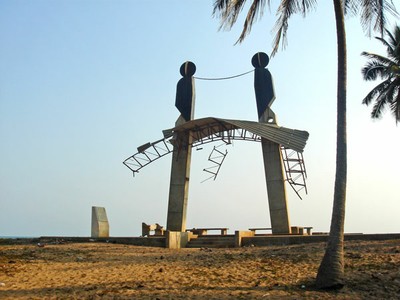
<p style="text-align: justify; ">The demonstration project aims to strengthen existing environmental policy, legislation and institutional arrangements for encouraging and achieving better environmental management in Ghana’s smaller hotel sector through a combination of both regulatory and voluntary initiatives. It is expected that the demonstration project will also help to create markets in the supply of environmental products and services as well as support the growth of eco-tourism. Its peaceful atmosphere and stable political climate make it a good choice for investors. As far as coastal tourism is concerned, the country is endowed with a wide range of both natural and historical potentialities. Thus, Ghana’s coastline extends for about 550km and is generally low lying (≤ 200m above sea level). The coastal zone of Ghana abounds in rich marine ecosystems coupled with considerable historical monuments. Generally concentrated along the coast are attractive old forts and castles built by Europeans during the period 1482 to 1837. The forts and castles which initially served as trading posts for the trade in gold and ivory were later used as slave dungeons and transit points for slaves who were shipped to the Americas. Currently a number of the forts and castles including Cape Coast and Elmina castles have been designated as UNESCO World Heritage Sites. Ghana’s castles attract several thousand international and domestic tourists annually.</p>
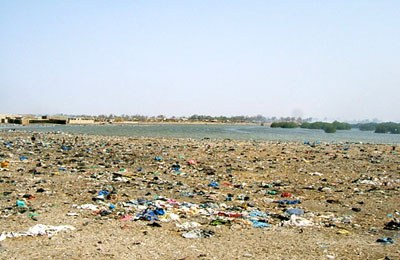
<p style="text-align: justify; ">It must be noted that all along the coast of Ghana, relatively improved road infrastructure is available. Ghana is one West African country with high class resort (e.g. La Palm Royal Beach Hotel, Elmina beach resort as well as Busua beach resort). However, poor sanitation and management of human wastes in the coastal settlements could adversely affect patronage of beaches by foreign tourists. In addition, sewage pollution from major cities, like Abidjan in Cote d'Ivoire, has in the past resulted in algal blooms on the western coast of Ghana, which besides creating serious problems for artisanal fishermen also reduces the aesthetic value of the beaches. Plastic bags and other solid waste constitute in several points of the coast a serious concern. This has recently led to a project of collection and recycling of plastic in Central region of Ghana.</p>
<p style="text-align: justify; "><a href="http://coast.iwlearn.org/en/countries/project-documents-reports/demonstration-projects-background-documents2/ghana-demonstration-project-background-document"> For more details view here</a></p>
<p style="text-align: justify; "> </p>
<p style="text-align: justify; "><b>Integrated Sustainable Eco-tourism Destination Planning <br /></b></p>
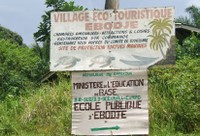
<p style="text-align: justify; "><img src="http://coast.iwlearn.org/en/images/ghana03.jpg/@@images/3a03175b-196b-4abf-b5d9-e1fcb110aea2.jpeg" alt="ghana02.jpg" class="image-right" title="ghana03.jpg" />At the end of the planning phase for the COAST project (mid 2006) each partner country had produced (with consultant support) a narrative project document describing in general terms the proposed demonstration project(s). There was no logical framework, no work plan, and only a total budget figure (see below) to guide stakeholders in beginning to implement the project. From January 2009 through to June 2009, based upon a one week visit by the Technical Coordinator to each partner country (during the Inception period of the COAST project) a revised narrative, new logical framework, first year work plan and indicative GEF support budget were developed and discussed. Subsequent to each country visit further support has been provided through email discussions. This demonstration project document now provides a more concise definition of the activities and outputs which are expected to be undertaken at the two sites in Ghana. This short note highlights what are foreseen to be the main challenges in now starting to implement the work. This paper has been written as a subsidiary contribution to the general overview provided in the Inception Report.</p>
<p style="text-align: justify; "><a href="http://coast.iwlearn.org/en/countries/project-documents-reports/demonstration-projects-background-documents2/ghana-demonstration-project-background-document-annex-b"> <b>For more details view here</b></a></p>
<p style="text-align: center; "><b>Demo site: Ada Beach Area<br /></b></p>
<p style="text-align: center; "><b> </b></p>
<p style="text-align: center; "><b>Theme: Eco-tourism</b></p>
<p style="text-align: justify; "><b> </b></p>
<p style="text-align: justify; "><b>Management Team </b></p>
<table class="listing grid" style="text-align: justify; ">
<tbody>
<tr>
<td>
<p><b>TEAM</b></p>
</td>
<td>
<p><b>NAME</b></p>
</td>
</tr>
<tr>
<td>
<p><b>DEMO PROJECT   COORDINATOR</b></p>
</td>
<td>
<p>Mr. Agyeman YAW DICKSON<b> </b></p>
</td>
</tr>
<tr>
<td>
<p><b>TOURISM FOCAL   POINT</b></p>
</td>
<td>
<p>Dr. Joel SONNE</p>
</td>
</tr>
<tr>
<td>
<p><b>ENVIRONMENT   FOCAL POINT</b></p>
</td>
<td>
<p>Mr. Kwamena ESSILFIE   QUAISON</p>
</td>
</tr>
</tbody>
</table>]]></content:encoded>
    <dc:publisher>No publisher</dc:publisher>
    <dc:creator>Taya Santives</dc:creator>
    <dc:rights></dc:rights>
    <dc:date>2012-07-02T10:50:00Z</dc:date>
    <dc:type>Page</dc:type>
  </item>


  <item rdf:about="http://coast.iwlearn.org/en/countries/gambia-demonstration-project-eco-tourism-and-poverty-alleviation">
    <title>The Gambia</title>
    <link>http://coast.iwlearn.org/en/countries/gambia-demonstration-project-eco-tourism-and-poverty-alleviation</link>
    <description>Demo site: Kartong Beach Area; Theme: Eco-tourism; Management Team: Environment Focal Point: Mr. Momodou Suwareh; Tourism Focal Point: Ms. Fatou Beyai Raji; Demo Project Coordinator: Mr. Abubacarr Kujabi </description>
    <content:encoded xmlns:content="http://purl.org/rss/1.0/modules/content/"><![CDATA[<p><img src="http://coast.iwlearn.org/en/images/gambia01.jpg/image_preview" alt="gambia01.jpg" class="image-left" title="gambia01.jpg" /></p>
<h1>Gambia Demonstration Project: Eco-tourism and poverty alleviation</h1>
<p> </p>
<p style="text-align: justify; ">In <b>The Gambia</b><b>,</b> tourism was introduced more than 40  years ago and there is increased pressure exerted on coastal beaches as a  result of rapid expansion and intensification of the tourist industry  along the coastal areas. The demonstration project is called; <b>Strengthening community-based </b>Eco-tourism<b> and joint venture partnerships,</b> and aims to promote poverty alleviation through the development of more  diverse Eco-tourism opportunities for rural communities, and by  promoting linkages between different stakeholder groups while building  their capacity in, marketing environmentally and socio-economically  sustainable Eco-tourism.</p>
<p><b>Strengthening community-based eco-tourism and joint-venture partnerships within a revised coastal land use policy framework</b></p>
<p style="text-align: justify; ">At the end of the planning phase for the COAST project (mid 2006) each partner country had produced (with consultant support) a narrative project document describing in general terms the proposed demonstration project(s). There was no logical framework, no work plan, and only a total budget figure (see below) to guide stakeholders in beginning to implement the project. From January 2009 through to June 2009, based upon a one week visit by the Technical Coordinator to each partner country (during the Inception period of the COAST project) a revised narrative, new logical framework, first year work plan and indicative GEF support budget were developed and discussed. Subsequent to each country visit further support has been provided through email discussions. This demonstration project document now provides a more concise definition of the activities and outputs which are expected to be undertaken at the sites in the Gambia demonstration project. This short note highlights what are foreseen to be the main challenges in now starting to implement the work. This paper has been written as a subsidiary contribution to the general overview provided in the Inception Report.</p>
<p><br /> <a href="http://coast.iwlearn.org/en/countries/project-documents-reports/demonstration-projects-background-documents2/gambia-demonstration-project-background-document-annex-b"> <b>For more details view here</b></a></p>
<p style="text-align: center; "><b>Demo site: KARTONG BEACH AREA</b></p>
<p style="text-align: center; "><b> </b></p>
<p style="text-align: center; "><b>Theme: Eco-Tourism</b></p>
<p><b> </b></p>
<p><b>Management Team </b></p>
<table class="listing grid">
<tbody>
<tr>
<td>
<p><b>TEAM</b></p>
</td>
<td>
<p><b>NAME</b></p>
</td>
</tr>
<tr>
<td>
<p><b>DEMO PROJECT COORDINATOR</b></p>
</td>
<td>
<p>Mr. Abubacarr KUJABI<b> </b></p>
</td>
</tr>
<tr>
<td>
<p><b>TOURISM FOCAL   POINT</b></p>
</td>
<td>
<p>Ms. Fatou BEYAI RAJI<b> </b></p>
</td>
</tr>
<tr>
<td>
<p><b>ENVIRONMENT   FOCAL POINT</b></p>
</td>
<td>
<p>Mr. Momodou SUWAREH</p>
</td>
</tr>
</tbody>
</table>]]></content:encoded>
    <dc:publisher>No publisher</dc:publisher>
    <dc:creator>Taya Santives</dc:creator>
    <dc:rights></dc:rights>
    <dc:date>2012-07-02T10:50:00Z</dc:date>
    <dc:type>Page</dc:type>
  </item>


  <item rdf:about="http://coast.iwlearn.org/en/countries/cameroon-demonstration-project-developing-eco-tourism-to-alleviate-poverty-and-contribute-towards-biodiversity-conservation">
    <title>Cameroon</title>
    <link>http://coast.iwlearn.org/en/countries/cameroon-demonstration-project-developing-eco-tourism-to-alleviate-poverty-and-contribute-towards-biodiversity-conservation</link>
    <description>Demo site: Kribi Beach Area; Theme: Eco-tourism; Management Team:Demo Project Coordinator: Mr. Christopher Feka; Tourism Focal Point: Mr. Mohamadou Kombi; Environment Focal Point: Mr. Moussa Seibou.</description>
    <content:encoded xmlns:content="http://purl.org/rss/1.0/modules/content/"><![CDATA[<p><b>Cameroon Demonstration Project: Developing Eco-tourism to alleviate poverty and contribute towards biodiversity conservation</b></p>
<p style="text-align: justify; ">Cameroon offers a surprising diversity of landscapes on the basis of which the Ministry of Tourism sells the destination with the slogan, “The whole of Africa in one country”. The COAST demonstration project is called; Eco-tourism developments in the Kribi beach area (Londji beach, Lobe falls, Grand Batanga), and aims to alleviate poverty, through sustainable alternative livelihoods focusing on eco-tourism and generate revenues for conservation of biodiversity and the benefit of the local community.</p>
<p style="text-align: justify; "><span> </span></p>
<p style="text-align: justify; "><span> </span><img src="http://coast.iwlearn.org/en/images/cameroon-01.jpg/image_preview" alt="cameroon-01.jpg" class="image-left" title="cameroon-01.jpg" /></p>
<p style="text-align: justify; ">In its southern part, the country is covered by the humid equatorial forest which has made possible the constitution of parks (Korup National park) and reserves (Dja reserve of biosphere). Mount Cameroon (4100 m) is one of the highest points in sub Saharan Africa. In the north of the country, many games reserves (Waza, Benoué, Bouba Ndjidadah) exist. With its 360 Km of coastal line, the country shows a wide range of coastal ecosystems, ranging from mangroves near the Nigerian boarder to the surprising beaches with brown sand at the foot of Mount Cameroon. Southwards, the most beautiful beaches are in Mouanko, Souellaba and Yoyo. Surprisingly, this huge potential is yet to be tapped.</p>
<p style="text-align: justify; "><a href="http://coast.iwlearn.org/en/countries/project-documents-reports/demonstration-projects-background-documents2/cameroon-demonstration-project-background-document" title="Cameroon Demonstration Project Background Document"> For more details view here</a></p>
<div style="text-align: justify; "></div>
<p style="text-align: justify; "><b><br /> To promote improved conservation, management and monitoring of coastal biodiversity, and to enhance and diversify local livelihoods through eco-tourism as a means of alleviating poverty.<br /> <br /> </b></p>
<p style="text-align: justify; "><img src="http://coast.iwlearn.org/en/images/cameroon-02.jpg/image_mini" alt="cameroon-02.jpg" class="image-right" title="cameroon-02.jpg" />At the end of the planning phase for the COAST project (mid 2006) each partner country had produced (with consultant support) a narrative project document describing in general terms the proposed demonstration project(s). There was no logical framework, no work plan, and only a total budget figure (see below) to guide stakeholders in beginning to <img src="http://coast.iwlearn.org/en/images/cameroon-03.jpg/image_mini" alt="cameroon-03.jpg" class="image-left" title="cameroon-03.jpg" />implement the project. From January 2009 through to June 2009, based upon a one week visit by the Technical Coordinator to each partner country (during the Inception period of the COAST project) a revised narrative, new logical framework, first year work plan and indicative GEF support budget were developed and discussed. Subsequent to each country visit further support has been provided through email discussions. The demonstration project document now provides a more concise definition of the activities and outputs which are expected to be undertaken at the three sub sites in the Cameroun demonstration project. This short note highlights what are foreseen to be the main challenges in now starting to implement the work. This paper has been written as a subsidiary contribution to the general overview provided in the Inception Report.</p>
<p style="text-align: justify; "><br /> <a href="http://coast.iwlearn.org/en/countries/project-documents-reports/demonstration-projects-background-documents2/cameroon-demonstration-project-background-document-annex-b" title="Cameroon Demonstration Project Background Document(Annex B)"> <b>For more details view here</b></a></p>
<p style="text-align: center; "><b>Demo site: KRIBI BEACH AREA</b></p>
<p><b> </b></p>
<p style="text-align: center; "><b>Theme: Eco-tourism</b></p>
<p><b> </b></p>
<p><b>Management Team </b></p>
<table class="listing grid">
<tbody>
<tr>
<td>
<p><b>TEAM</b></p>
</td>
<td>
<p><b>NAME</b></p>
</td>
</tr>
<tr>
<td>
<p><b>DEMO PROJECT   COORDINATOR</b></p>
</td>
<td>
<p>Mr. Christopher FEKA<b> </b></p>
</td>
</tr>
<tr>
<td>
<p><b>TOURISM FOCAL   POINT</b></p>
</td>
<td>
<p>Mr.   Mohamadou KOMBI<b> </b></p>
</td>
</tr>
<tr>
<td>
<p><b>ENVIRONMENT   FOCAL POINT</b></p>
</td>
<td>
<p>Mr. Moussa SEIBOU</p>
</td>
</tr>
</tbody>
</table>]]></content:encoded>
    <dc:publisher>No publisher</dc:publisher>
    <dc:creator>Taya Santives</dc:creator>
    <dc:rights></dc:rights>
    <dc:date>2012-07-02T10:50:00Z</dc:date>
    <dc:type>Page</dc:type>
  </item>


  <item rdf:about="http://coast.iwlearn.org/en/countries/Tanzania">
    <title>Tanzania</title>
    <link>http://coast.iwlearn.org/en/countries/Tanzania</link>
    <description></description>
    
    <dc:publisher>No publisher</dc:publisher>
    <dc:creator>Taya Santives</dc:creator>
    <dc:rights></dc:rights>
    <dc:date>2012-07-02T10:50:00Z</dc:date>
    <dc:type>Folder</dc:type>
  </item>


  <item rdf:about="http://coast.iwlearn.org/en/countries/Seychelles">
    <title>Seychelles</title>
    <link>http://coast.iwlearn.org/en/countries/Seychelles</link>
    <description>Tourism is the most important pillar of the Seychelles economy through direct and indirect contributions to the domestic economy (GDP), and through inflows of foreign currency, including tourism receipts and foreign direct investment. The COAST project works through a sister GEF project called; Mainstreaming Biodiversity in Production Sectors Project, which has a sub component focusing on tourism sustainability and environmental management. </description>
    
    <dc:publisher>No publisher</dc:publisher>
    <dc:creator>Taya Santives</dc:creator>
    <dc:rights></dc:rights>
    <dc:date>2012-07-02T10:50:00Z</dc:date>
    <dc:type>Folder</dc:type>
  </item>


  <item rdf:about="http://coast.iwlearn.org/en/countries/Senegal">
    <title>Senegal</title>
    <link>http://coast.iwlearn.org/en/countries/Senegal</link>
    <description></description>
    
    <dc:publisher>No publisher</dc:publisher>
    <dc:creator>Taya Santives</dc:creator>
    <dc:rights></dc:rights>
    <dc:date>2012-07-02T10:50:00Z</dc:date>
    <dc:type>Folder</dc:type>
  </item>


  <item rdf:about="http://coast.iwlearn.org/en/countries/Nigeria">
    <title>Nigeria</title>
    <link>http://coast.iwlearn.org/en/countries/Nigeria</link>
    <description></description>
    
    <dc:publisher>No publisher</dc:publisher>
    <dc:creator>Taya Santives</dc:creator>
    <dc:rights></dc:rights>
    <dc:date>2012-07-02T10:50:00Z</dc:date>
    <dc:type>Folder</dc:type>
  </item>


  <item rdf:about="http://coast.iwlearn.org/en/countries/Mozambique">
    <title>Mozambique</title>
    <link>http://coast.iwlearn.org/en/countries/Mozambique</link>
    <description>With 2,700 km of tropical coastline,  abundant natural ecosystems and a rich cultural heritage, the tourism potential of Mozambique speaks for itself. Tourism accounted for 16% of total investment applications in Mozambique over the five year period (1998 – 2002). The COAST demonstration project is called; Community-based ecotourism, reef management and environmental management systems, Inhambane district coastline, and aims to; promote local involvement in commercially viable tourism, with improved coordination and cooperation between both local and national stakeholders.</description>
    
    <dc:publisher>No publisher</dc:publisher>
    <dc:creator>Taya Santives</dc:creator>
    <dc:rights></dc:rights>
    <dc:date>2012-07-02T10:50:00Z</dc:date>
    <dc:type>Folder</dc:type>
  </item>


  <item rdf:about="http://coast.iwlearn.org/en/countries/Kenya">
    <title>Kenya</title>
    <link>http://coast.iwlearn.org/en/countries/Kenya</link>
    <description></description>
    
    <dc:publisher>No publisher</dc:publisher>
    <dc:creator>Taya Santives</dc:creator>
    <dc:rights></dc:rights>
    <dc:date>2012-07-02T10:50:00Z</dc:date>
    <dc:type>Folder</dc:type>
  </item>


  <item rdf:about="http://coast.iwlearn.org/en/countries/Ghana">
    <title>Ghana</title>
    <link>http://coast.iwlearn.org/en/countries/Ghana</link>
    <description></description>
    
    <dc:publisher>No publisher</dc:publisher>
    <dc:creator>Taya Santives</dc:creator>
    <dc:rights></dc:rights>
    <dc:date>2012-07-02T10:50:00Z</dc:date>
    <dc:type>Folder</dc:type>
  </item>


  <item rdf:about="http://coast.iwlearn.org/en/countries/Gambia">
    <title>Gambia</title>
    <link>http://coast.iwlearn.org/en/countries/Gambia</link>
    <description></description>
    
    <dc:publisher>No publisher</dc:publisher>
    <dc:creator>Taya Santives</dc:creator>
    <dc:rights></dc:rights>
    <dc:date>2012-07-02T10:50:00Z</dc:date>
    <dc:type>Folder</dc:type>
  </item>


</rdf:RDF>