<?xml version="1.0" encoding="utf-8" ?>
<rdf:RDF xmlns:rdf="http://www.w3.org/1999/02/22-rdf-syntax-ns#" xmlns:dc="http://purl.org/dc/elements/1.1/" xmlns:syn="http://purl.org/rss/1.0/modules/syndication/" xmlns="http://purl.org/rss/1.0/">


<channel rdf:about="http://coast.iwlearn.org/en/search_rss">
  <title>English</title>
  <link>http://coast.iwlearn.org</link>

  <description>
    
            These are the search results for the query, showing results 61 to 75.
        
  </description>


  <image rdf:resource="http://coast.iwlearn.org/logo.png"/>

  <items>
    <rdf:Seq>
      
        <rdf:li rdf:resource="http://coast.iwlearn.org/en/News%20and%20Events/comesa-issues-media-statement-ahead-of-sustainable-tourism-forum-in-nairobi"/>
      
      
        <rdf:li rdf:resource="http://coast.iwlearn.org/en/News%20and%20Events/2nd-edition-of-coast-project-newsletter-launch"/>
      
      
        <rdf:li rdf:resource="http://coast.iwlearn.org/en/News%20and%20Events/unwto-bio-diversity-champions-workshop"/>
      
      
        <rdf:li rdf:resource="http://coast.iwlearn.org/en/News%20and%20Events/ems-test-country-trainings"/>
      
      
        <rdf:li rdf:resource="http://coast.iwlearn.org/en/News%20and%20Events/unwto-consultant-mission-to-tanzania"/>
      
      
        <rdf:li rdf:resource="http://coast.iwlearn.org/en/News%20and%20Events/gef-international-waters-science-conference"/>
      
      
        <rdf:li rdf:resource="http://coast.iwlearn.org/en/home-page"/>
      
      
        <rdf:li rdf:resource="http://coast.iwlearn.org/en/News%20and%20Events/coast-newsletter-launch"/>
      
      
        <rdf:li rdf:resource="http://coast.iwlearn.org/en/about/contact-us/contact-the-coast-project"/>
      
      
        <rdf:li rdf:resource="http://coast.iwlearn.org/en/about/contact-us"/>
      
      
        <rdf:li rdf:resource="http://coast.iwlearn.org/en/baps-and-bats/Research%20and%20Environmental-analyses/research-and-environmental-analyses"/>
      
      
        <rdf:li rdf:resource="http://coast.iwlearn.org/en/about"/>
      
      
        <rdf:li rdf:resource="http://coast.iwlearn.org/en/News%20and%20Events/badagry-a-walk-through-the-slave-route"/>
      
      
        <rdf:li rdf:resource="http://coast.iwlearn.org/en/Newsletter/sustainable-coastal-tourism-in-africa"/>
      
      
        <rdf:li rdf:resource="http://coast.iwlearn.org/en/News%20and%20Events"/>
      
    </rdf:Seq>
  </items>

</channel>


  <item rdf:about="http://coast.iwlearn.org/en/News%20and%20Events/comesa-issues-media-statement-ahead-of-sustainable-tourism-forum-in-nairobi">
    <title>COMESA issues media statement ahead of sustainable tourism forum in Nairobi</title>
    <link>http://coast.iwlearn.org/en/News%20and%20Events/comesa-issues-media-statement-ahead-of-sustainable-tourism-forum-in-nairobi</link>
    <description>BY DR. WOLFGANG H. THOME, ETN UGANDA | AUG 10, 2012
(eTN) - The Lusaka-based headquarters of Africa’s largest trade block, COMESA (Common Market for Easter and Southern Africa), has today issued a media statement ahead of their first Sustainable Tourism Development Forum due to be held in Nairobi, Kenya, in just under two weeks’ time.</description>
    <content:encoded xmlns:content="http://purl.org/rss/1.0/modules/content/"><![CDATA[<div id="fullpage" style="text-align: left; ">
<p>Initially scheduled to take place earlier in the year, the organization then decided to prepare even more comprehensively for the event, due to be held at Nairobi’s Windsor Golf and Country Club between August 22-24.</p>
<p>Keynote speakers have been invited from across the 19 member countries and from Eastern Africa speakers lined up, still to be finally confirmed, including Dr. Titus Naikuni, Group Managing Director and CEO of Kenya Airways; the CEO of Ethiopian Airlines, Tewolde Gebre Mariam; and the Group Managing Director and CEO of Serena Hotels, Mahmoud Janmohamed, among several other top-reputed captains of industry.</p>
<p>The three-day event, organized jointly by the COMESA Secretariat and the Ministry of Tourism in Kenya as host country, will be packed with keynote speeches, workshop and discussion sessions, and Q&amp;A opportunities, where the plenary will have the opportunity to question industry leaders, from both the private and public sector, on the way forward for the tourism industry across COMESA.</p>
<p>The statement received reads in full as follows:</p>
<p>First COMESA Regional Sustainable Tourism Development Forum</p>
<p>LUSAKA, ZAMBIA - Business leaders and policy makers will, for the first time, discuss a competitive approach to tourism in the region. COMESA has organized the Sustainable Tourism Development Forum, to be held on August 22-24, 2012 in Nairobi, Kenya. The public-private dialogue, to be held under the theme, “Shaping the Future of Tourism in COMESA,” will bring together over 70 regional participants from tourism boards, investment promotion agencies, tourism businesses, and development partners.</p>
<p>The meeting is to be hosted by COMESA Secretariat in cooperation with the Ministry of Tourism for Kenya. The Forum has been organized through the support of the COMESA Business Council in partnership with Kenya Investment Authority and Kenya Tourism Board. The meeting will analyze the regional diagnostic study of COMESA’s 19 Member States, whose aim was to come up with a framework for regional approaches that can be undertaken by both the public and private sector stakeholders to promote a more competitive, investor friendly, sustainable tourism sector in the region.</p>
<p>The framework addresses issues such as putting in place a regional policy and strategy that defines tourism in the region, promotes the relaxation of visa requirements for tourists, packages and brands tourism, investment in infrastructure for tourism development, upgrades the sector to meet regional and global standards, promotes investment in key areas of tourism such as hospitality and catering, addresses supply side constraints in the hotel industry, and exploits the quick benefits of E-tourism, among others.</p>
<p>The setting of the Forum, Windsor Resort Hotel, one of the luxury resorts of Kenya, will provide the country an opportunity to showcase its tourism attractions and provide the participants with a taste of Kenya’s natural beauty, diverse culture, local brands, and quality wildlife experience.</p>
<p>It is expected that dignitaries from the tourism sectors of Morocco, Egypt, and the Regional Tourism Organization of Southern Africa (RETOSA) will also attend the meeting, which will share the experiences of corporate hotels like Serena Group, Speke Hotel Group, and renowned tour operators from all countries in the COMESA region.</p>
<p>In the face of an ever-changing economic and political environment, tourism continues to succeed as a well-performing sector in regional and international markets. While the industry moves towards adopting more sustainable models, the economic outlook of the sector today clearly indicates that there are great benefits to reap through a regional approach to boosting competitiveness, sustainability, and investment.</p>
<p>Among the expected results of the Forum is a roadmap and action plan owned by the stakeholders, which will structure tangible approaches towards shaping a sustainable tourism strategy and implementation framework for the COMESA region.</p>
<p>Tourism is the fastest-developing enterprise in Africa and one of the continent’s major investment opportunities, standing at 6 percent growth rate the last decennium. Africa receives 4.8 percent of all tourist arrivals in the world, and 3.3 percent of the receipts, and although it is not at the heart of the global tourist market, this modest proportion of the world’s number one industry is still important for the continent. The World Travel &amp; Tourism Council (WTTC) estimates that, from direct and indirect activities combined, the tour and travel sector now accounts for a remarkable 9.2 percent of global GDP. Tourism’s contribution to employment is estimated at 6-7 percent of the overall number of jobs worldwide, and it makes up 4.8 percent of world exports and 9.2 percent of world investments.</p>
</div>
<div class="terms" style="text-align: left; ">
<ul class="inline links">
<li class="taxonomy_term_25 first" style="list-style-type: none; "><a class="taxonomy_term_25" href="http://www.eturbonews.com/africa" rel="tag">AFRICA</a></li>
<span class="Apple-converted-space"> </span>
<li class="taxonomy_term_3721" style="list-style-type: none; "><a class="taxonomy_term_3721" href="http://www.eturbonews.com/tag/comesa" rel="tag">COMESA</a></li>
<span class="Apple-converted-space"> </span>
<li class="taxonomy_term_437" style="list-style-type: none; "><a class="taxonomy_term_437" href="http://www.eturbonews.com/tag/nairobi" rel="tag">NAIROBI</a></li>
<span class="Apple-converted-space"> </span>
<li class="taxonomy_term_129" style="list-style-type: none; "><a class="taxonomy_term_129" href="http://www.eturbonews.com/tag/sustainabletourism" rel="tag">SUSTAINABLE TOURISM</a></li>
<span class="Apple-converted-space"> </span>
<li class="taxonomy_term_25997" style="list-style-type: none; "><a class="taxonomy_term_25997" href="http://www.eturbonews.com/tag/tourism-forum" rel="tag">TOURISM FORUM</a></li>
<span class="Apple-converted-space"> </span>
<li class="taxonomy_term_25261 last" style="list-style-type: none; "><a class="taxonomy_term_25261" href="http://www.eturbonews.com/tag/tourism-summit" rel="tag">TOURISM SUMMIT</a></li>
</ul>
</div>]]></content:encoded>
    <dc:publisher>No publisher</dc:publisher>
    <dc:creator>g.omedo@unido.org</dc:creator>
    <dc:rights></dc:rights>
    <dc:date>2012-08-31T06:34:40Z</dc:date>
    <dc:type>News Item</dc:type>
  </item>


  <item rdf:about="http://coast.iwlearn.org/en/News%20and%20Events/2nd-edition-of-coast-project-newsletter-launch">
    <title>2nd Edition of COAST Project Newsletter Launch</title>
    <link>http://coast.iwlearn.org/en/News%20and%20Events/2nd-edition-of-coast-project-newsletter-launch</link>
    <description>The 2nd Edition of the COAST Project Newsletter Launch </description>
    <content:encoded xmlns:content="http://purl.org/rss/1.0/modules/content/"><![CDATA[<p>The 2nd edition of the COAST Project Newsletter will be launched in late November</p>]]></content:encoded>
    <dc:publisher>No publisher</dc:publisher>
    <dc:creator>g.omedo@unido.org</dc:creator>
    <dc:rights></dc:rights>
    <dc:date>2012-08-27T13:15:15Z</dc:date>
    <dc:type>Event</dc:type>
  </item>


  <item rdf:about="http://coast.iwlearn.org/en/News%20and%20Events/unwto-bio-diversity-champions-workshop">
    <title>UNWTO Bio-Diversity Champions Workshop</title>
    <link>http://coast.iwlearn.org/en/News%20and%20Events/unwto-bio-diversity-champions-workshop</link>
    <description>COAST UNWTO Gambia Biodiversity Champions event in Kartong, Gambia</description>
    <content:encoded xmlns:content="http://purl.org/rss/1.0/modules/content/"><![CDATA[]]></content:encoded>
    <dc:publisher>No publisher</dc:publisher>
    <dc:creator>g.omedo@unido.org</dc:creator>
    <dc:rights></dc:rights>
    <dc:date>2012-08-27T13:15:23Z</dc:date>
    <dc:type>Event</dc:type>
  </item>


  <item rdf:about="http://coast.iwlearn.org/en/News%20and%20Events/ems-test-country-trainings">
    <title>EMS TEST Country Trainings</title>
    <link>http://coast.iwlearn.org/en/News%20and%20Events/ems-test-country-trainings</link>
    <description>UNIDO EMS TEST Country Trainings</description>
    <content:encoded xmlns:content="http://purl.org/rss/1.0/modules/content/"><![CDATA[<p>Training to be provided under the EMS thematic area component for the UNIDO TEST methodology to the local COAST project stakeholders with the following people as the key trainers:</p>
<ol>
<li>Ms. Marla Pinto Rodrigues</li>
<li>Ms. Yolanda Cachu</li>
<li>Mr. Ludovic Bernadaut</li>
<li>Mr. Harvey Garcia</li>
</ol>]]></content:encoded>
    <dc:publisher>No publisher</dc:publisher>
    <dc:creator>g.omedo@unido.org</dc:creator>
    <dc:rights></dc:rights>
    <dc:date>2012-08-27T13:15:00Z</dc:date>
    <dc:type>Event</dc:type>
  </item>


  <item rdf:about="http://coast.iwlearn.org/en/News%20and%20Events/unwto-consultant-mission-to-tanzania">
    <title>UNWTO Consultant Mission to Tanzania</title>
    <link>http://coast.iwlearn.org/en/News%20and%20Events/unwto-consultant-mission-to-tanzania</link>
    <description>The UNWTO Sustainable Tourism Governance Consultant mission to Tanzania</description>
    <content:encoded xmlns:content="http://purl.org/rss/1.0/modules/content/"><![CDATA[]]></content:encoded>
    <dc:publisher>No publisher</dc:publisher>
    <dc:creator>g.omedo@unido.org</dc:creator>
    <dc:rights></dc:rights>
    <dc:date>2012-08-27T13:15:45Z</dc:date>
    <dc:type>Event</dc:type>
  </item>


  <item rdf:about="http://coast.iwlearn.org/en/News%20and%20Events/gef-international-waters-science-conference">
    <title>GEF International Waters Science Conference</title>
    <link>http://coast.iwlearn.org/en/News%20and%20Events/gef-international-waters-science-conference</link>
    <description>Bankok, Thailand      
  A science conference for practitioners and academics to provide leadership in finding solutions for the  Earth’s most pressing Transboundary waters challenges   
 Twenty years of GEF International Waters (IW) projects have resulted  in a wealth of knowledge.</description>
    <content:encoded xmlns:content="http://purl.org/rss/1.0/modules/content/"><![CDATA[<p style="text-align: center; "><img alt="logotsetaug27.jpg" class="image-inline" src="http://iwlearn.net/abt_iwlearn/events/iw-science-conference/logotsetaug27.jpg" /></p>
<p style="text-align: center; "><span><b>A science conference for practitioners and academics to provide leadership in finding solutions for the <br />Earth’s most pressing Transboundary waters challenges</b></span></p>
<p>Twenty years of GEF International Waters (IW) projects have resulted  in a wealth of knowledge. Much of the science used and generated during  the projects is embedded in Transboundary Diagnostic Analyses (TDAs).  The recent three year study under the GEF UNEP-UNU IW:Science project  has uncovered some of the key findings and success factors in enhancing  the use of science in GEF IW projects. The International Waters Science  Conference will provide a key forum for bringing these findings to a  wider audience. Benefiting from lessons learned can significantly  support new and ongoing projects in achieving better results.</p>]]></content:encoded>
    <dc:publisher>No publisher</dc:publisher>
    <dc:creator>g.omedo@unido.org</dc:creator>
    <dc:rights></dc:rights>
    <dc:date>2012-08-27T13:15:52Z</dc:date>
    <dc:type>Event</dc:type>
  </item>


  <item rdf:about="http://coast.iwlearn.org/en/home-page">
    <title>The COAST Project</title>
    <link>http://coast.iwlearn.org/en/home-page</link>
    <description></description>
    <content:encoded xmlns:content="http://purl.org/rss/1.0/modules/content/"><![CDATA[]]></content:encoded>
    <dc:publisher>No publisher</dc:publisher>
    <dc:creator>g.omedo@unido.org</dc:creator>
    <dc:rights></dc:rights>
    <dc:date>2012-08-27T10:00:00Z</dc:date>
    <dc:type>Portlet Page</dc:type>
  </item>


  <item rdf:about="http://coast.iwlearn.org/en/News%20and%20Events/coast-newsletter-launch">
    <title>COAST Newsletter Launch</title>
    <link>http://coast.iwlearn.org/en/News%20and%20Events/coast-newsletter-launch</link>
    <description>We launch the new COAST Newsletter </description>
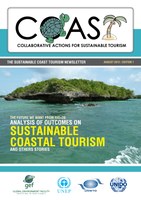
    <content:encoded xmlns:content="http://purl.org/rss/1.0/modules/content/"><![CDATA[<p>The COAST Newsletter is a 24 page easy to read blah blah blah.....</p>
<p><img src="http://coast.iwlearn.org/en/NewsletterCoverPage.JPG/@@images/2df30280-774b-4727-82cd-8fc5f261e163.jpeg" alt="COAST Newsletter" class="image-inline" title="COAST Newsletter" /></p>]]></content:encoded>
    <dc:publisher>No publisher</dc:publisher>
    <dc:creator>g.omedo@unido.org</dc:creator>
    <dc:rights></dc:rights>
    <dc:date>2012-08-27T09:25:00Z</dc:date>
    <dc:type>Event</dc:type>
  </item>


  <item rdf:about="http://coast.iwlearn.org/en/about/contact-us/contact-the-coast-project">
    <title>Contact the COAST Project</title>
    <link>http://coast.iwlearn.org/en/about/contact-us/contact-the-coast-project</link>
    <description></description>
    <content:encoded xmlns:content="http://purl.org/rss/1.0/modules/content/"><![CDATA[<table class="plain" style="text-align: center; ">
<tbody>
<tr>
<th><a href="http://www.thegef.org/gef/">
<p style="text-align: center; "><img src="http://coast.iwlearn.org/en/images/partners/gef.gif" alt="gef.gif" class="image-inline" title="gef.gif" /></p>
</a></th><th><a href="http://www.unep.org/">
<p style="text-align: center; "><img src="http://coast.iwlearn.org/en/images/partners/unep.gif" title="unep.gif" height="94" width="83" alt="unep.gif" class="image-inline" /></p>
</a></th><th><a href="http://www.unwto.org">
<p style="text-align: center; "><img src="http://coast.iwlearn.org/en/images/partners/UNWTOLOGO1.jpg/@@images/cb42b292-3c26-4c16-961c-a76ba4ab8d96.jpeg" title="unwto.gif" height="92" width="153" alt="unwto.gif" class="image-inline" /></p>
</a></th><th><a href="http://www.unido.org/index.php"><img src="http://coast.iwlearn.org/en/images/partners/unido.gif" title="unido.gif" height="78" width="116" alt="unido.gif" class="image-inline" /></a></th>
</tr>
</tbody>
</table>
<p style="text-align: center; "><img src="http://coast.iwlearn.org/en/about/contact-us/2010coastlogo.jpeg/@@images/0826cf30-77aa-4ac0-89cb-1c0852d21bdd.jpeg" alt="COAST LOGO" class="image-inline" title="COAST LOGO" /></p>
<h2 style="text-align: center; ">Contact US</h2>
<p style="text-align: center; "> </p>
<p style="text-align: center; "><b>UN GIGIRI COMPLEX</b></p>
<p style="text-align: center; "><b>P.O. BOX 41609 - 0100</b><b> </b></p>
<p style="text-align: center; "><b>Tel: 254 20 7625286</b></p>
<p style="text-align: center; "><b>Fax: 254 20 7624368</b></p>
<p style="text-align: center; "><b>Nairobi, Kenya <br /></b></p>
<p style="text-align: center; "><b>Email: H.Gibbon@unido.org</b></p>
<p style="text-align: center; "><b> </b><b>www.coast.iwlearn.org</b></p>]]></content:encoded>
    <dc:publisher>No publisher</dc:publisher>
    <dc:creator>g.omedo@unido.org</dc:creator>
    <dc:rights></dc:rights>
    <dc:date>2012-08-23T06:10:00Z</dc:date>
    <dc:type>Page</dc:type>
  </item>


  <item rdf:about="http://coast.iwlearn.org/en/about/contact-us">
    <title>Contact Us</title>
    <link>http://coast.iwlearn.org/en/about/contact-us</link>
    <description>COAST Office Contacts</description>
    
    <dc:publisher>No publisher</dc:publisher>
    <dc:creator>g.omedo@unido.org</dc:creator>
    <dc:rights></dc:rights>
    <dc:date>2012-08-23T06:08:55Z</dc:date>
    <dc:type>Folder</dc:type>
  </item>


  <item rdf:about="http://coast.iwlearn.org/en/baps-and-bats/Research%20and%20Environmental-analyses/research-and-environmental-analyses">
    <title>Research and Environmental Analyses</title>
    <link>http://coast.iwlearn.org/en/baps-and-bats/Research%20and%20Environmental-analyses/research-and-environmental-analyses</link>
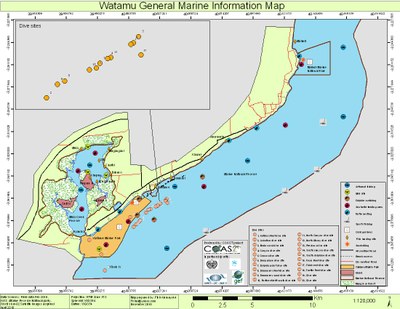
    <description>The emerging technical findings from COAST Project implementation will be showcased through the COAST Project website. Here you find some useful GIS imagery that has been produced from the COAST Demonstration Sites.</description>
    <content:encoded xmlns:content="http://purl.org/rss/1.0/modules/content/"><![CDATA[<p style="text-align: justify; ">The value of COAST Project work in some of the countries we work in is manifesting through production of quality analyses and GIS information that is now being used by governments and communities to sustainably plan for the coastal ecosystems. Some of the useful materials from the work includes GIS photographs of Watamu in Kenya and Pomene in Mozambique.</p>
<p style="text-align: justify; ">As the project up-scales implementation in the next two years, more informative products will be generated int the following main themes of work:  Research</p>
<ol style="text-align: justify; ">
<li>Reef and Marine Recreation Management (RMRM)</li>
<li>Eco Tourism</li>
<li style="text-align: justify; ">Environmental Management Systems (EMS)</li>
</ol>
<p style="text-align: justify; "> </p>
<p style="text-align: center; "><b>Examples from Mozambique and Kenya</b></p>
<table class="plain" style="text-align: justify; " summary="Mozambique">
<tbody>
<tr>
<th><img src="http://coast.iwlearn.org/en/baps-and-bats/Research%20and%20Environmental-analyses/Habitats02.jpg/@@images/8d2e8b9a-93fb-4c82-8195-cbc67d3f97f0.jpeg" alt="Habitats Pomene" class="image-left" title="Habitats Pomene" /></th><th><br /></th>
</tr>
<tr>
<td></td>
<td><img src="http://coast.iwlearn.org/en/baps-and-bats/Research%20and%20Environmental-analyses/Habitats02.jpg/@@images/8d2e8b9a-93fb-4c82-8195-cbc67d3f97f0.jpeg" alt="Habitats Pomene" class="image-left" title="Habitats Pomene" /><br /></td>
</tr>
</tbody>
</table>
<table class="plain" style="text-align: justify; " summary="Watamu GIS maps">
<tbody>
<tr>
<td><br /></td>
<td></td>
</tr>
<tr>
<th>
<p style="text-align: center; "><img src="http://coast.iwlearn.org/en/baps-and-bats/Research%20and%20Environmental-analyses/kenya-demo-site-gis-map-products/general-marine-information-map.jpg/@@images/a72cb236-2deb-4c99-b473-6ad8b7a76f71.jpeg" alt="general-marine-information-map.jpg" class="image-left" title="general-marine-information-map.jpg" /></p>
</th><th><br /></th>
</tr>
<tr>
<td><br /></td>
<td><br /></td>
</tr>
</tbody>
</table>]]></content:encoded>
    <dc:publisher>No publisher</dc:publisher>
    <dc:creator>g.omedo@unido.org</dc:creator>
    <dc:rights></dc:rights>
    <dc:date>2012-08-06T13:40:00Z</dc:date>
    <dc:type>Page</dc:type>
  </item>


  <item rdf:about="http://coast.iwlearn.org/en/about">
    <title>About the COAST Project</title>
    <link>http://coast.iwlearn.org/en/about</link>
    <description></description>
    
    <dc:publisher>No publisher</dc:publisher>
    <dc:creator>Taya Santives</dc:creator>
    <dc:rights></dc:rights>
    <dc:date>2012-08-06T09:08:31Z</dc:date>
    <dc:type>Folder</dc:type>
  </item>


  <item rdf:about="http://coast.iwlearn.org/en/News%20and%20Events/badagry-a-walk-through-the-slave-route">
    <title>Badagry: A Walk through the Slave Route</title>
    <link>http://coast.iwlearn.org/en/News%20and%20Events/badagry-a-walk-through-the-slave-route</link>
    <description>By Ahaoma Kanu
“I know you may have come here with a mindset; a somewhat hatred for the Whiteman who dealt on slave trade. But they were not the ones that went to the inter lands to capture the slaves, our people did.”</description>
    <content:encoded xmlns:content="http://purl.org/rss/1.0/modules/content/"><![CDATA[<p style="text-align: justify; ">These were the tartling words from Anago, one of the curators at the  Seriki Faremi William Abass Slave Museum in Badagry, Lagos State in  Nigeria at the commencement of the tour of the popular Badagry Slave  Route that existed some hundreds of years ago.</p>
<p style="text-align: justify; ">I had left that morning to the tourist site to have an experience, an  imaginary journey that happened on the same soil I was standing with the  other tourists. Having read a lot about the slave trade and watched  movies like Alex Haley’s <em>Roots</em> and Stephen Spielberg’s <em>Amistad</em> starring Morgan Freeman and Djimon Honsou, I did not know what to expect.</p>
<p style="text-align: justify; ">Anago was our guide and his introductory remarks about Seriki Wlliam  Abbass, the renowned slave merchant whose Brazilian Baracoon slave port  was among the only ones still standing, tilted towards making the man  appear somehow vanquished.</p>
<p style="text-align: justify; ">“This tour may change your perception about the infamous era in the  history of slave trade,” he continued, I was eager to get into the  ancient facility which was a great tourist attraction in Nigeria.</p>
<p style="text-align: justify; ">The Brazilian Baracoon was derived from a Portuguese word which meant a  slave prison and we were about to get into it. The wall cast of a female  and male slave hung at different torture positions was the first image  that captures one’s attention; the chains around the legs and arms of  the twisted artwork looked eerie and pathetic.</p>
<p style="text-align: justify; ">At the entrance of the prison was an inscription, <em>Seriki Faremi William Abass Baracoon of 40 Slave Cells</em>.  Some young people were making foot wears; flip flops that looked  attractive. They greeted us cheerfully while continuing with their  craft. An elderly man dressed on white Danshiki was introduced as a  descendant of Seriki Abbass whose business flourished in selling slaves  in those days. I wondered if they would be concerned about how the  thousands of tourists that flocked there each year saw them, but they  were welcoming.</p>
<p style="text-align: justify; ">Inside the building, Anago took us to where he called the waiting and inspection room.</p>
<p style="text-align: justify; ">“This room serves as the checking room for the white men when they came  to buy slaves,” he explained, “ they checked them out to know if they  were healthy or not just like you inspect any commodity you want to  buy.”  The room measured nine feet by nine with an adjoining room of the  same dimension but with a small window that could slightly have the  dimension of a computer monitor and served as the only source of  ventilation. The ceiling was made of long raffia palms.</p>
<p style="text-align: justify; ">“The Baracoon consists of 40 rooms and each room was used as a cell to  hold 40 slaves,” Anago went on, “at times when there were plenty slaves,  some are kept in this room,” he added.</p>
<p style="text-align: justify; ">“Forty people?” One of the foreign tourists, a lady, exclaimed; she was  visibly shaken and trying to imagine how the small cubicle could hold 40  men or women with their children at times. I tried to imagine it but  gave up on the ordeal.</p>
<p style="text-align: justify; ">There were close to 10 pictures hanging on the glass shelf showcasing  different moments in that era; there was one of of Seriki Abass turbaned  as a chief hanging on the glass display stand; another illustrated  portrait showed him with some Brazilian slave buyers. Another, hanging  below the illustrated version, was a still picture which was weather  beaten but visible enough to show the Seriki with his council of chiefs  obviously posing for a group photograph. The Seriki was distinct as he  had an umbrella above him making him appear outstanding among the lot.</p>
<p style="text-align: justify; ">“This picture shows when Chief Abbass was made the paramount ruler or  Seriki of Badagry in 1895 and he was handed a staff of office by Lord  Lugard in 1902,” the curator continued, “this umbrella he is being  sheltered with was exchanged for 40 slaves,” he announced as he got the  umbrella from a corner.</p>
<p style="text-align: justify; ">“Unbelievable!” Another Caucasian tourist exclaimed. I reached for the  umbrella and touched it; the item was heavy and must have been made from  brocade material of top quality. The thought of 40 human beings being  exchanged for the commodity was heavier a burden on my mind.</p>
<p style="text-align: justify; ">Anago went to the other items on display, wrought iron chains of various  sizes and shapes, hardened by time no doubt but used to shackle the  slaves in those days. He got out one of the samples and told us it was  used to chain the children of the slaves to prevent them from disturbing  their parents when they worked on the plantation.</p>
<p style="text-align: justify; ">“These chains has the sweat and blood of slaves on it and are over a  century old,” he explained. At this point, I thought I saw a tear drop  from the eyes of one of us; I swallowed hard to hold mine.</p>
<p style="text-align: justify; ">Among the rusted iron artifacts an iron drilling bit used to brand the slaves for recognition and ownership.</p>
<p style="text-align: justify; ">“How is this used?” I managed to ask. Anago smiled as if expecting the question.</p>
<p style="text-align: justify; ">“It is put into the fire and allowed to get red hot and then used on the  bodies of the slaves belonging to whoever owned them,” he responded.  There were more cries in the room and I did not want to continue.</p>
<p style="text-align: justify; ">Other items on the display were Chinese wares, cups and gramophone records, each of the items cost 10 slaves.</p>
<p style="text-align: justify; ">The next room beside the waiting room was another cell used for female  slaves and also held 40 slaves and at times with their children.</p>
<p style="text-align: justify; ">They were chained inside here to prevent them from escaping we were  informed. I wondered how they fit into the small room; did they sit,  squat or lie on themselves? It was unfathomable.</p>
<p style="text-align: justify; ">After being shown the robes worn by the Seriki, his documents of  transactions and the staff of office presented to him by the colonial  masters, we were ushered outside the rooms and shown the grave and  mausoleum of Seriki Abass constructed for him by his Brazilian business  partners.</p>
<p style="text-align: justify; ">Our next port of call was Chief Mobee’s Royal Family Slave Relics Museum  a yelling distance from the Brazilian Baracoon. There we were shown  more chains used on the slaves; bits used to lock their mouths  to  prevent them from eating the sugar canes on the plantation on which they  were made to work on as well as a big oval iron water pot from which  the slaves drank water.</p>
<p style="text-align: justify; ">They drank from the pot by kneeling down and lapping the water while  still on chains our guide informed us. I asked the curator to put one of  the chains on my neck and he obliged; it felt heavy and made it more  difficult to imagine.</p>
<p style="text-align: justify; ">On the walls hung artistic expressions of slaves been tortured for  attempting to escape and the painting that attracted more emotion was  that of two slaves, a man and a woman being attacked by wild dogs.</p>
<p style="text-align: justify; ">“The slaves fell in love and the consequence attracted having wild dogs  unleashed on the errant couple,” Anago explained. The romantic depiction  drew tears to my eyes.</p>
<p style="text-align: justify; ">A miniature cannon gun was on display but outside the Relic lay two real  ones; we were told they were worth 100 slaves exchanged by barter. It  was painfully interesting to know that the horrible slave trade lasted a  while in Badagry even when it was abolished in all the countries that  were involved in it; the British West Indies stopped slave trading in  1863; Brazil followed suit in 1888 while in Africa, the trend got to an  end in 1870. But slave trading activities continued in Badagry till  1886.</p>
<p style="text-align: justify; ">As we were taken out to see the jetty where the slaves began their  journey to unknown lands; the only sound audible was the breeze and the  sounds footsteps on the sand that was once walked upon by slaves.</p>
<p style="text-align: justify; ">Our guide explained that the Lagos State government was upgrading the  site as there were visible construction work but he explained that due  to the coming elections, work had been suspended.</p>
<p style="text-align: justify; ">We stood on the very jetty the slaves were taken away every day by 4 a.m  to cross the river to the island to either work on the plantation or be  shipped on their final journeys abroad.</p>
<p style="text-align: justify; ">I looked further and saw rows of coconut trees adoring the shore which  were planted by the slaves and are still standing to show the pain and  anguish some of the ancestors went through.</p>
<p style="text-align: justify; ">To cross over to the <em>Point Of No Return</em>, we hired a boat. Anago negotiated for us but not many of the tourists were so adventurous.</p>
<p style="text-align: justify; ">“It’s alright,” our guide said, “it’s difficult for some people.”</p>
<p style="text-align: justify; ">Our boat had the inscription <em>God’s Light Marine</em> and our captain  was a young boy in his late teens. We strapped on our life jackets and  the engine roared to power as we began sail. I looked at the departing  horizon and wondered what it was like for the slaves; did they cry,  whimper or just stare at their disappearing origin? Again, I could not  go on with the thought.</p>
<p style="text-align: justify; ">The boat ride lasted a few minutes and we got out beginning the journey.   At the sides of the road were white stones which our guide explained  marked the exact route the slaves walked on.</p>
<p style="text-align: justify; ">“The road is wider now but it was a foot path then and the slaves, chained by the shackles together, walked on a single file.”</p>
<p style="text-align: justify; ">Not all the slaves made it alive we were told; some died and were buried by the way side.</p>
<p style="text-align: justify; ">“We may be walking on the graves of hundreds of our ancestors that died  and might have turned to humus now,” Anago said. The information had a  chilling effect.</p>
<p style="text-align: justify; ">Along the way were signposts that read, “Badagry Slave Route. This is  the route of the journey to unknown destination.” Even our guide was  silent as we walked on; only the wind and the whispering palms of the  many coconut trees around were audible.</p>
<p style="text-align: justify; ">I noticed a thatched hut a distance away, the sign post beside it read, “Original Spot, Slaves Spiritual Attenuation Well.”</p>
<p style="text-align: justify; ">We all looked at our guide, asking the obvious question with our eyes.</p>
<p style="text-align: justify; ">“This is the well where slaves were made to drink water and forget themselves,” he explained. I was not the only person scared.</p>
<p style="text-align: justify; ">“Come in,” he invited when got close and he noticed our reluctance to enter the hut that looked more like a shrine.</p>
<p style="text-align: justify; ">The well was about three feet high and was covered with a crafted raffia  cover with two broken pieces of calabashes on top; it looked weird.  Hanging on the wall of the raffia constructed shrine was a poem or so I  thought at first but when I quickly read the verses, I struggled to hold  back the tears; the lines were inscribed on wood and had English and  Yoruba versions. It read thus;</p>
<p style="padding-left: 30px; text-align: justify; "><em><strong>“Recitation By The Sold Slaves.</strong><br /> <br /> I am leaving this land,<br /> My Spirit leave with me.<br /> I shall not come back now,<br /> My shackles do not break.<br /> It is the shackles that hold the ship down.<br /> My ancestors bear me witness,<br /> I shall not return.<br /> This land shall depart,<br /> My soul do not revolt,<br /> My spirit go along with me.<br /> I depart to that land unknown<br /> I shall not return.”</em></p>
<p style="text-align: justify; ">Finally, the tears rolled down my eyes; I was not alone in the emotional  feeling; I saw a man consoling his sobbing partner. How could the  slaves forget themselves?</p>
<p style="text-align: justify; ">“All the chiefs in Badagry dealing on slave business came together and  cast a spell in this well, a kind of black magic which brings  forgetfulness,” Anago explained, “the slaves were forced to drink the  water and recite that incantation.”</p>
<p style="text-align: justify; ">We took turns looking at the charmed water inside the well; the water  was covered with a visible rainbow-like film and I wondered if was still  potent.</p>
<p style="text-align: justify; ">“Nobody has drank from this well in over 600 years,” Anago informed us,  “maybe one of you can help us find out,” he joked with a mischievous  smile. Nobody dared.</p>
<p style="text-align: justify; ">We walked on, looking at the hundreds of coconut trees all over the  island, planted by our ancestors through forced labour on shackles and  chains. I wondered if it could be possible to find out how many souls  perished on this land.</p>
<p style="text-align: justify; ">Another twenty minutes walk brought us to the <em>Point Of No Return</em>;  the signpost explained it better and read, “Point of No Return, Journey  to the unknown destination.” Two slanting pillars with iron casts on  top were visible from afar; they represented the final path through  which thousands of slaves were taken against their will to unknown  destinations.</p>
<p style="text-align: justify; ">As I mounted the concrete monument, the ocean became visible; the route  that annihilated slaves from their origins. Anago left us to our  different moods.</p>
<p style="text-align: justify; ">I walked towards the beach shore and looked ahead; the tide was high and  I could taste the salty wind. The sight of the coconuts that whispered  as their branches touched was not appealing to me. I tried to imagine  the slaves entering the small boats that took them to the merchant ships  which took them to destinations of bondage but could only see the high  sea.</p>
<p style="text-align: justify; ">I grabbed some sand and clasped it tightly, imagination had eluded me. Some of us picked sea shells as memorabilia.</p>
<p style="text-align: justify; ">As we started going back from the beach, I sat on the signpost to  meditate and say a prayer. Anago asked me what perception I now have of  Seriki William Abbass, I shook my head; I didn’t have an answer.  Somebody asked why the island was not used for agriculture and also why  there was no fishing activity going on. Anago explained that the people  of Badagry were mainly traders and believed in buying and selling. I  wondered if the souls beneath the earth were responsible for the lack of  activity. I did not get an answer.</p>
<p style="text-align: justify; ">Our guide urges us to visit the other tourist places in Badagry; the  first storey building in Nigeria where Bishop Ajayi Crowther once lived  and also, where Lord Lugard’s writing table and pen are still on display  but somehow, I could not go on. I made a note to visit those another  time, my heart was heavy.</p>
<p style="text-align: justify; ">“<em>Owo da</em>?” The voice of the conductor asking for the fare jolted  me out of my soulful mood while riding a bus back to the city; he was  wearing a <em>Yes We Can</em> campaign Tee shirt of Barrack Obama. As I  handed the money to him, I juxtaposed that reality with my experience at  Badagry; if after all these inhumanity, an African son made it that  far, the sweats of the slaves were not in vain. I smiled for the first  time since leaving the slave port, one tourist attraction that leaves  you loving the liberty the world now enjoys.</p>]]></content:encoded>
    <dc:publisher>No publisher</dc:publisher>
    <dc:creator>g.omedo@unido.org</dc:creator>
    <dc:rights></dc:rights>
    <dc:date>2012-07-25T09:40:00Z</dc:date>
    <dc:type>News Item</dc:type>
  </item>


  <item rdf:about="http://coast.iwlearn.org/en/Newsletter/sustainable-coastal-tourism-in-africa">
    <title>Sustainable Coastal Tourism in Africa</title>
    <link>http://coast.iwlearn.org/en/Newsletter/sustainable-coastal-tourism-in-africa</link>
    <description>These are the interesting news on the subject of sustainable coastal tourism in Africa.</description>
    <content:encoded xmlns:content="http://purl.org/rss/1.0/modules/content/"><![CDATA[<p style="text-align: center; "><img src="http://coast.iwlearn.org/en/images/Boat%20yard%20and%20moorings%2C%20Mida%20creek.JPG/@@images/d8729bb4-cfa3-4f1d-be85-75755e3f183d.jpeg" alt="Boat yard and moorings, Mida creek.JPG" class="image-inline" title="Boat yard and moorings, Mida creek.JPG" /></p>
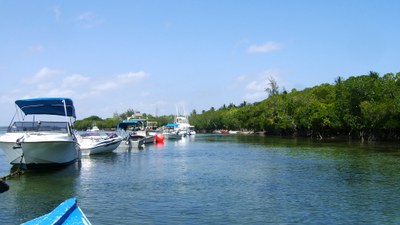
<p style="text-align: center; ">These are the interesting news on the subject of sustainable coastal tourism in Africa.</p>]]></content:encoded>
    <dc:publisher>No publisher</dc:publisher>
    <dc:creator>g.omedo@unido.org</dc:creator>
    <dc:rights></dc:rights>
    <dc:date>2012-07-23T09:15:00Z</dc:date>
    <dc:type>Collection</dc:type>
  </item>


  <item rdf:about="http://coast.iwlearn.org/en/News%20and%20Events">
    <title>News and Events</title>
    <link>http://coast.iwlearn.org/en/News%20and%20Events</link>
    <description></description>
    
    <dc:publisher>No publisher</dc:publisher>
    <dc:creator>Taya Santives</dc:creator>
    <dc:rights></dc:rights>
    <dc:date>2012-07-23T09:15:00Z</dc:date>
    <dc:type>Folder</dc:type>
  </item>


</rdf:RDF>