<?xml version="1.0" encoding="utf-8" ?>
<rdf:RDF xmlns:rdf="http://www.w3.org/1999/02/22-rdf-syntax-ns#" xmlns:dc="http://purl.org/dc/elements/1.1/" xmlns:syn="http://purl.org/rss/1.0/modules/syndication/" xmlns="http://purl.org/rss/1.0/">


<channel rdf:about="http://coast.iwlearn.org/en/search_rss">
  <title>English</title>
  <link>http://coast.iwlearn.org</link>

  <description>
    
            These are the search results for the query, showing results 71 to 85.
        
  </description>


  <image rdf:resource="http://coast.iwlearn.org/logo.png"/>

  <items>
    <rdf:Seq>
      
        <rdf:li rdf:resource="http://coast.iwlearn.org/en/baps-and-bats/Research%20and%20Environmental-analyses/research-and-environmental-analyses"/>
      
      
        <rdf:li rdf:resource="http://coast.iwlearn.org/en/about"/>
      
      
        <rdf:li rdf:resource="http://coast.iwlearn.org/en/News%20and%20Events/badagry-a-walk-through-the-slave-route"/>
      
      
        <rdf:li rdf:resource="http://coast.iwlearn.org/en/Newsletter/sustainable-coastal-tourism-in-africa"/>
      
      
        <rdf:li rdf:resource="http://coast.iwlearn.org/en/News%20and%20Events"/>
      
      
        <rdf:li rdf:resource="http://coast.iwlearn.org/en/News%20and%20Events/Sustainable%20Tourism%20News%20in%20Africa"/>
      
      
        <rdf:li rdf:resource="http://coast.iwlearn.org/en/News%20and%20Events/copy_of_sustainable-coastal-tourism-in-africa"/>
      
      
        <rdf:li rdf:resource="http://coast.iwlearn.org/en/News%20and%20Events/sustainable-coastal-tourism-in-africa"/>
      
      
        <rdf:li rdf:resource="http://coast.iwlearn.org/en/News%20and%20Events/sustainable-coastal-tourism-in-the-news-2/well-managed-tourism-can-help-protect-the-world2019s-wetlands"/>
      
      
        <rdf:li rdf:resource="http://coast.iwlearn.org/en/News%20and%20Events/sustainable-coastal-tourism-in-the-news-2"/>
      
      
        <rdf:li rdf:resource="http://coast.iwlearn.org/en/News%20and%20Events/sustainable-coastal-tourism-in-the-news-2/ghana-governments-domestic-tourism-project-yielding-results"/>
      
      
        <rdf:li rdf:resource="http://coast.iwlearn.org/en/News%20and%20Events/sustainable-coastal-tourism-in-the-news-2/report-tourism-depleting-crucial-water-supplies-for-gambia"/>
      
      
        <rdf:li rdf:resource="http://coast.iwlearn.org/en/News%20and%20Events/sustainable-coastal-tourism-in-the-news-2/cape-town-ten-years-on-south-africa-outlines-plans-to-continue-its-global-leadership-in-responsible-tourism"/>
      
      
        <rdf:li rdf:resource="http://coast.iwlearn.org/en/News%20and%20Events/sustainable-coastal-tourism-in-the-news-2/safe-coastal-tourism-a-priority-says-world-committee-on-tourism-ethics"/>
      
      
        <rdf:li rdf:resource="http://coast.iwlearn.org/en/baps-and-bats/Project-Formats/useful-formats-and-templates"/>
      
    </rdf:Seq>
  </items>

</channel>


  <item rdf:about="http://coast.iwlearn.org/en/baps-and-bats/Research%20and%20Environmental-analyses/research-and-environmental-analyses">
    <title>Research and Environmental Analyses</title>
    <link>http://coast.iwlearn.org/en/baps-and-bats/Research%20and%20Environmental-analyses/research-and-environmental-analyses</link>
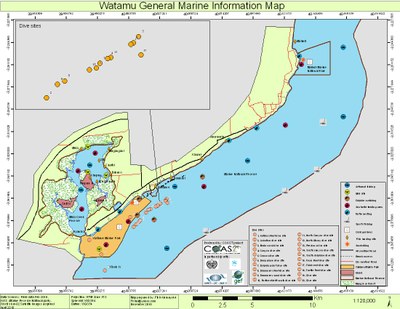
    <description>The emerging technical findings from COAST Project implementation will be showcased through the COAST Project website. Here you find some useful GIS imagery that has been produced from the COAST Demonstration Sites.</description>
    <content:encoded xmlns:content="http://purl.org/rss/1.0/modules/content/"><![CDATA[<p style="text-align: justify; ">The value of COAST Project work in some of the countries we work in is manifesting through production of quality analyses and GIS information that is now being used by governments and communities to sustainably plan for the coastal ecosystems. Some of the useful materials from the work includes GIS photographs of Watamu in Kenya and Pomene in Mozambique.</p>
<p style="text-align: justify; ">As the project up-scales implementation in the next two years, more informative products will be generated int the following main themes of work:  Research</p>
<ol style="text-align: justify; ">
<li>Reef and Marine Recreation Management (RMRM)</li>
<li>Eco Tourism</li>
<li style="text-align: justify; ">Environmental Management Systems (EMS)</li>
</ol>
<p style="text-align: justify; "> </p>
<p style="text-align: center; "><b>Examples from Mozambique and Kenya</b></p>
<table class="plain" style="text-align: justify; " summary="Mozambique">
<tbody>
<tr>
<th><img src="http://coast.iwlearn.org/en/baps-and-bats/Research%20and%20Environmental-analyses/Habitats02.jpg/@@images/8d2e8b9a-93fb-4c82-8195-cbc67d3f97f0.jpeg" alt="Habitats Pomene" class="image-left" title="Habitats Pomene" /></th><th><br /></th>
</tr>
<tr>
<td></td>
<td><img src="http://coast.iwlearn.org/en/baps-and-bats/Research%20and%20Environmental-analyses/Habitats02.jpg/@@images/8d2e8b9a-93fb-4c82-8195-cbc67d3f97f0.jpeg" alt="Habitats Pomene" class="image-left" title="Habitats Pomene" /><br /></td>
</tr>
</tbody>
</table>
<table class="plain" style="text-align: justify; " summary="Watamu GIS maps">
<tbody>
<tr>
<td><br /></td>
<td></td>
</tr>
<tr>
<th>
<p style="text-align: center; "><img src="http://coast.iwlearn.org/en/baps-and-bats/Research%20and%20Environmental-analyses/kenya-demo-site-gis-map-products/general-marine-information-map.jpg/@@images/a72cb236-2deb-4c99-b473-6ad8b7a76f71.jpeg" alt="general-marine-information-map.jpg" class="image-left" title="general-marine-information-map.jpg" /></p>
</th><th><br /></th>
</tr>
<tr>
<td><br /></td>
<td><br /></td>
</tr>
</tbody>
</table>]]></content:encoded>
    <dc:publisher>No publisher</dc:publisher>
    <dc:creator>g.omedo@unido.org</dc:creator>
    <dc:rights></dc:rights>
    <dc:date>2012-08-06T13:40:00Z</dc:date>
    <dc:type>Page</dc:type>
  </item>


  <item rdf:about="http://coast.iwlearn.org/en/about">
    <title>About the COAST Project</title>
    <link>http://coast.iwlearn.org/en/about</link>
    <description></description>
    
    <dc:publisher>No publisher</dc:publisher>
    <dc:creator>Taya Santives</dc:creator>
    <dc:rights></dc:rights>
    <dc:date>2012-08-06T09:08:31Z</dc:date>
    <dc:type>Folder</dc:type>
  </item>


  <item rdf:about="http://coast.iwlearn.org/en/News%20and%20Events/badagry-a-walk-through-the-slave-route">
    <title>Badagry: A Walk through the Slave Route</title>
    <link>http://coast.iwlearn.org/en/News%20and%20Events/badagry-a-walk-through-the-slave-route</link>
    <description>By Ahaoma Kanu
“I know you may have come here with a mindset; a somewhat hatred for the Whiteman who dealt on slave trade. But they were not the ones that went to the inter lands to capture the slaves, our people did.”</description>
    <content:encoded xmlns:content="http://purl.org/rss/1.0/modules/content/"><![CDATA[<p style="text-align: justify; ">These were the tartling words from Anago, one of the curators at the  Seriki Faremi William Abass Slave Museum in Badagry, Lagos State in  Nigeria at the commencement of the tour of the popular Badagry Slave  Route that existed some hundreds of years ago.</p>
<p style="text-align: justify; ">I had left that morning to the tourist site to have an experience, an  imaginary journey that happened on the same soil I was standing with the  other tourists. Having read a lot about the slave trade and watched  movies like Alex Haley’s <em>Roots</em> and Stephen Spielberg’s <em>Amistad</em> starring Morgan Freeman and Djimon Honsou, I did not know what to expect.</p>
<p style="text-align: justify; ">Anago was our guide and his introductory remarks about Seriki Wlliam  Abbass, the renowned slave merchant whose Brazilian Baracoon slave port  was among the only ones still standing, tilted towards making the man  appear somehow vanquished.</p>
<p style="text-align: justify; ">“This tour may change your perception about the infamous era in the  history of slave trade,” he continued, I was eager to get into the  ancient facility which was a great tourist attraction in Nigeria.</p>
<p style="text-align: justify; ">The Brazilian Baracoon was derived from a Portuguese word which meant a  slave prison and we were about to get into it. The wall cast of a female  and male slave hung at different torture positions was the first image  that captures one’s attention; the chains around the legs and arms of  the twisted artwork looked eerie and pathetic.</p>
<p style="text-align: justify; ">At the entrance of the prison was an inscription, <em>Seriki Faremi William Abass Baracoon of 40 Slave Cells</em>.  Some young people were making foot wears; flip flops that looked  attractive. They greeted us cheerfully while continuing with their  craft. An elderly man dressed on white Danshiki was introduced as a  descendant of Seriki Abbass whose business flourished in selling slaves  in those days. I wondered if they would be concerned about how the  thousands of tourists that flocked there each year saw them, but they  were welcoming.</p>
<p style="text-align: justify; ">Inside the building, Anago took us to where he called the waiting and inspection room.</p>
<p style="text-align: justify; ">“This room serves as the checking room for the white men when they came  to buy slaves,” he explained, “ they checked them out to know if they  were healthy or not just like you inspect any commodity you want to  buy.”  The room measured nine feet by nine with an adjoining room of the  same dimension but with a small window that could slightly have the  dimension of a computer monitor and served as the only source of  ventilation. The ceiling was made of long raffia palms.</p>
<p style="text-align: justify; ">“The Baracoon consists of 40 rooms and each room was used as a cell to  hold 40 slaves,” Anago went on, “at times when there were plenty slaves,  some are kept in this room,” he added.</p>
<p style="text-align: justify; ">“Forty people?” One of the foreign tourists, a lady, exclaimed; she was  visibly shaken and trying to imagine how the small cubicle could hold 40  men or women with their children at times. I tried to imagine it but  gave up on the ordeal.</p>
<p style="text-align: justify; ">There were close to 10 pictures hanging on the glass shelf showcasing  different moments in that era; there was one of of Seriki Abass turbaned  as a chief hanging on the glass display stand; another illustrated  portrait showed him with some Brazilian slave buyers. Another, hanging  below the illustrated version, was a still picture which was weather  beaten but visible enough to show the Seriki with his council of chiefs  obviously posing for a group photograph. The Seriki was distinct as he  had an umbrella above him making him appear outstanding among the lot.</p>
<p style="text-align: justify; ">“This picture shows when Chief Abbass was made the paramount ruler or  Seriki of Badagry in 1895 and he was handed a staff of office by Lord  Lugard in 1902,” the curator continued, “this umbrella he is being  sheltered with was exchanged for 40 slaves,” he announced as he got the  umbrella from a corner.</p>
<p style="text-align: justify; ">“Unbelievable!” Another Caucasian tourist exclaimed. I reached for the  umbrella and touched it; the item was heavy and must have been made from  brocade material of top quality. The thought of 40 human beings being  exchanged for the commodity was heavier a burden on my mind.</p>
<p style="text-align: justify; ">Anago went to the other items on display, wrought iron chains of various  sizes and shapes, hardened by time no doubt but used to shackle the  slaves in those days. He got out one of the samples and told us it was  used to chain the children of the slaves to prevent them from disturbing  their parents when they worked on the plantation.</p>
<p style="text-align: justify; ">“These chains has the sweat and blood of slaves on it and are over a  century old,” he explained. At this point, I thought I saw a tear drop  from the eyes of one of us; I swallowed hard to hold mine.</p>
<p style="text-align: justify; ">Among the rusted iron artifacts an iron drilling bit used to brand the slaves for recognition and ownership.</p>
<p style="text-align: justify; ">“How is this used?” I managed to ask. Anago smiled as if expecting the question.</p>
<p style="text-align: justify; ">“It is put into the fire and allowed to get red hot and then used on the  bodies of the slaves belonging to whoever owned them,” he responded.  There were more cries in the room and I did not want to continue.</p>
<p style="text-align: justify; ">Other items on the display were Chinese wares, cups and gramophone records, each of the items cost 10 slaves.</p>
<p style="text-align: justify; ">The next room beside the waiting room was another cell used for female  slaves and also held 40 slaves and at times with their children.</p>
<p style="text-align: justify; ">They were chained inside here to prevent them from escaping we were  informed. I wondered how they fit into the small room; did they sit,  squat or lie on themselves? It was unfathomable.</p>
<p style="text-align: justify; ">After being shown the robes worn by the Seriki, his documents of  transactions and the staff of office presented to him by the colonial  masters, we were ushered outside the rooms and shown the grave and  mausoleum of Seriki Abass constructed for him by his Brazilian business  partners.</p>
<p style="text-align: justify; ">Our next port of call was Chief Mobee’s Royal Family Slave Relics Museum  a yelling distance from the Brazilian Baracoon. There we were shown  more chains used on the slaves; bits used to lock their mouths  to  prevent them from eating the sugar canes on the plantation on which they  were made to work on as well as a big oval iron water pot from which  the slaves drank water.</p>
<p style="text-align: justify; ">They drank from the pot by kneeling down and lapping the water while  still on chains our guide informed us. I asked the curator to put one of  the chains on my neck and he obliged; it felt heavy and made it more  difficult to imagine.</p>
<p style="text-align: justify; ">On the walls hung artistic expressions of slaves been tortured for  attempting to escape and the painting that attracted more emotion was  that of two slaves, a man and a woman being attacked by wild dogs.</p>
<p style="text-align: justify; ">“The slaves fell in love and the consequence attracted having wild dogs  unleashed on the errant couple,” Anago explained. The romantic depiction  drew tears to my eyes.</p>
<p style="text-align: justify; ">A miniature cannon gun was on display but outside the Relic lay two real  ones; we were told they were worth 100 slaves exchanged by barter. It  was painfully interesting to know that the horrible slave trade lasted a  while in Badagry even when it was abolished in all the countries that  were involved in it; the British West Indies stopped slave trading in  1863; Brazil followed suit in 1888 while in Africa, the trend got to an  end in 1870. But slave trading activities continued in Badagry till  1886.</p>
<p style="text-align: justify; ">As we were taken out to see the jetty where the slaves began their  journey to unknown lands; the only sound audible was the breeze and the  sounds footsteps on the sand that was once walked upon by slaves.</p>
<p style="text-align: justify; ">Our guide explained that the Lagos State government was upgrading the  site as there were visible construction work but he explained that due  to the coming elections, work had been suspended.</p>
<p style="text-align: justify; ">We stood on the very jetty the slaves were taken away every day by 4 a.m  to cross the river to the island to either work on the plantation or be  shipped on their final journeys abroad.</p>
<p style="text-align: justify; ">I looked further and saw rows of coconut trees adoring the shore which  were planted by the slaves and are still standing to show the pain and  anguish some of the ancestors went through.</p>
<p style="text-align: justify; ">To cross over to the <em>Point Of No Return</em>, we hired a boat. Anago negotiated for us but not many of the tourists were so adventurous.</p>
<p style="text-align: justify; ">“It’s alright,” our guide said, “it’s difficult for some people.”</p>
<p style="text-align: justify; ">Our boat had the inscription <em>God’s Light Marine</em> and our captain  was a young boy in his late teens. We strapped on our life jackets and  the engine roared to power as we began sail. I looked at the departing  horizon and wondered what it was like for the slaves; did they cry,  whimper or just stare at their disappearing origin? Again, I could not  go on with the thought.</p>
<p style="text-align: justify; ">The boat ride lasted a few minutes and we got out beginning the journey.   At the sides of the road were white stones which our guide explained  marked the exact route the slaves walked on.</p>
<p style="text-align: justify; ">“The road is wider now but it was a foot path then and the slaves, chained by the shackles together, walked on a single file.”</p>
<p style="text-align: justify; ">Not all the slaves made it alive we were told; some died and were buried by the way side.</p>
<p style="text-align: justify; ">“We may be walking on the graves of hundreds of our ancestors that died  and might have turned to humus now,” Anago said. The information had a  chilling effect.</p>
<p style="text-align: justify; ">Along the way were signposts that read, “Badagry Slave Route. This is  the route of the journey to unknown destination.” Even our guide was  silent as we walked on; only the wind and the whispering palms of the  many coconut trees around were audible.</p>
<p style="text-align: justify; ">I noticed a thatched hut a distance away, the sign post beside it read, “Original Spot, Slaves Spiritual Attenuation Well.”</p>
<p style="text-align: justify; ">We all looked at our guide, asking the obvious question with our eyes.</p>
<p style="text-align: justify; ">“This is the well where slaves were made to drink water and forget themselves,” he explained. I was not the only person scared.</p>
<p style="text-align: justify; ">“Come in,” he invited when got close and he noticed our reluctance to enter the hut that looked more like a shrine.</p>
<p style="text-align: justify; ">The well was about three feet high and was covered with a crafted raffia  cover with two broken pieces of calabashes on top; it looked weird.  Hanging on the wall of the raffia constructed shrine was a poem or so I  thought at first but when I quickly read the verses, I struggled to hold  back the tears; the lines were inscribed on wood and had English and  Yoruba versions. It read thus;</p>
<p style="padding-left: 30px; text-align: justify; "><em><strong>“Recitation By The Sold Slaves.</strong><br /> <br /> I am leaving this land,<br /> My Spirit leave with me.<br /> I shall not come back now,<br /> My shackles do not break.<br /> It is the shackles that hold the ship down.<br /> My ancestors bear me witness,<br /> I shall not return.<br /> This land shall depart,<br /> My soul do not revolt,<br /> My spirit go along with me.<br /> I depart to that land unknown<br /> I shall not return.”</em></p>
<p style="text-align: justify; ">Finally, the tears rolled down my eyes; I was not alone in the emotional  feeling; I saw a man consoling his sobbing partner. How could the  slaves forget themselves?</p>
<p style="text-align: justify; ">“All the chiefs in Badagry dealing on slave business came together and  cast a spell in this well, a kind of black magic which brings  forgetfulness,” Anago explained, “the slaves were forced to drink the  water and recite that incantation.”</p>
<p style="text-align: justify; ">We took turns looking at the charmed water inside the well; the water  was covered with a visible rainbow-like film and I wondered if was still  potent.</p>
<p style="text-align: justify; ">“Nobody has drank from this well in over 600 years,” Anago informed us,  “maybe one of you can help us find out,” he joked with a mischievous  smile. Nobody dared.</p>
<p style="text-align: justify; ">We walked on, looking at the hundreds of coconut trees all over the  island, planted by our ancestors through forced labour on shackles and  chains. I wondered if it could be possible to find out how many souls  perished on this land.</p>
<p style="text-align: justify; ">Another twenty minutes walk brought us to the <em>Point Of No Return</em>;  the signpost explained it better and read, “Point of No Return, Journey  to the unknown destination.” Two slanting pillars with iron casts on  top were visible from afar; they represented the final path through  which thousands of slaves were taken against their will to unknown  destinations.</p>
<p style="text-align: justify; ">As I mounted the concrete monument, the ocean became visible; the route  that annihilated slaves from their origins. Anago left us to our  different moods.</p>
<p style="text-align: justify; ">I walked towards the beach shore and looked ahead; the tide was high and  I could taste the salty wind. The sight of the coconuts that whispered  as their branches touched was not appealing to me. I tried to imagine  the slaves entering the small boats that took them to the merchant ships  which took them to destinations of bondage but could only see the high  sea.</p>
<p style="text-align: justify; ">I grabbed some sand and clasped it tightly, imagination had eluded me. Some of us picked sea shells as memorabilia.</p>
<p style="text-align: justify; ">As we started going back from the beach, I sat on the signpost to  meditate and say a prayer. Anago asked me what perception I now have of  Seriki William Abbass, I shook my head; I didn’t have an answer.  Somebody asked why the island was not used for agriculture and also why  there was no fishing activity going on. Anago explained that the people  of Badagry were mainly traders and believed in buying and selling. I  wondered if the souls beneath the earth were responsible for the lack of  activity. I did not get an answer.</p>
<p style="text-align: justify; ">Our guide urges us to visit the other tourist places in Badagry; the  first storey building in Nigeria where Bishop Ajayi Crowther once lived  and also, where Lord Lugard’s writing table and pen are still on display  but somehow, I could not go on. I made a note to visit those another  time, my heart was heavy.</p>
<p style="text-align: justify; ">“<em>Owo da</em>?” The voice of the conductor asking for the fare jolted  me out of my soulful mood while riding a bus back to the city; he was  wearing a <em>Yes We Can</em> campaign Tee shirt of Barrack Obama. As I  handed the money to him, I juxtaposed that reality with my experience at  Badagry; if after all these inhumanity, an African son made it that  far, the sweats of the slaves were not in vain. I smiled for the first  time since leaving the slave port, one tourist attraction that leaves  you loving the liberty the world now enjoys.</p>]]></content:encoded>
    <dc:publisher>No publisher</dc:publisher>
    <dc:creator>g.omedo@unido.org</dc:creator>
    <dc:rights></dc:rights>
    <dc:date>2012-07-25T09:40:00Z</dc:date>
    <dc:type>News Item</dc:type>
  </item>


  <item rdf:about="http://coast.iwlearn.org/en/Newsletter/sustainable-coastal-tourism-in-africa">
    <title>Sustainable Coastal Tourism in Africa</title>
    <link>http://coast.iwlearn.org/en/Newsletter/sustainable-coastal-tourism-in-africa</link>
    <description>These are the interesting news on the subject of sustainable coastal tourism in Africa.</description>
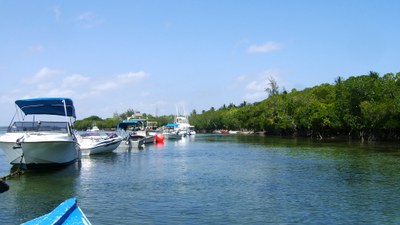
    <content:encoded xmlns:content="http://purl.org/rss/1.0/modules/content/"><![CDATA[<p style="text-align: center; "><img src="http://coast.iwlearn.org/en/images/Boat%20yard%20and%20moorings%2C%20Mida%20creek.JPG/@@images/d8729bb4-cfa3-4f1d-be85-75755e3f183d.jpeg" alt="Boat yard and moorings, Mida creek.JPG" class="image-inline" title="Boat yard and moorings, Mida creek.JPG" /></p>
<p style="text-align: center; ">These are the interesting news on the subject of sustainable coastal tourism in Africa.</p>]]></content:encoded>
    <dc:publisher>No publisher</dc:publisher>
    <dc:creator>g.omedo@unido.org</dc:creator>
    <dc:rights></dc:rights>
    <dc:date>2012-07-23T09:15:00Z</dc:date>
    <dc:type>Collection</dc:type>
  </item>


  <item rdf:about="http://coast.iwlearn.org/en/News%20and%20Events">
    <title>News and Events</title>
    <link>http://coast.iwlearn.org/en/News%20and%20Events</link>
    <description></description>
    
    <dc:publisher>No publisher</dc:publisher>
    <dc:creator>Taya Santives</dc:creator>
    <dc:rights></dc:rights>
    <dc:date>2012-07-23T09:15:00Z</dc:date>
    <dc:type>Folder</dc:type>
  </item>


  <item rdf:about="http://coast.iwlearn.org/en/News%20and%20Events/Sustainable%20Tourism%20News%20in%20Africa">
    <title>Sustainable Tourism News in Africa</title>
    <link>http://coast.iwlearn.org/en/News%20and%20Events/Sustainable%20Tourism%20News%20in%20Africa</link>
    <description>These are the interesting news on the subject of sustainable coastal tourism in Africa.</description>
    <content:encoded xmlns:content="http://purl.org/rss/1.0/modules/content/"><![CDATA[<p style="text-align: center; "><img src="http://coast.iwlearn.org/en/images/Boat%20yard%20and%20moorings%2C%20Mida%20creek.JPG/@@images/d8729bb4-cfa3-4f1d-be85-75755e3f183d.jpeg" alt="Boat yard and moorings, Mida creek.JPG" class="image-inline" title="Boat yard and moorings, Mida creek.JPG" /></p>
<p style="text-align: center; ">These are the interesting news on the subject of sustainable coastal tourism in Africa.</p>]]></content:encoded>
    <dc:publisher>No publisher</dc:publisher>
    <dc:creator>g.omedo@unido.org</dc:creator>
    <dc:rights></dc:rights>
    <dc:date>2012-07-23T09:15:00Z</dc:date>
    <dc:type>Collection</dc:type>
  </item>


  <item rdf:about="http://coast.iwlearn.org/en/News%20and%20Events/copy_of_sustainable-coastal-tourism-in-africa">
    <title>Sustainable Coastal Tourism in Africa</title>
    <link>http://coast.iwlearn.org/en/News%20and%20Events/copy_of_sustainable-coastal-tourism-in-africa</link>
    <description>These are the interesting news on the subject of sustainable coastal tourism in Africa.</description>
    <content:encoded xmlns:content="http://purl.org/rss/1.0/modules/content/"><![CDATA[<p style="text-align: center; "><img src="http://coast.iwlearn.org/en/images/Boat%20yard%20and%20moorings%2C%20Mida%20creek.JPG/@@images/d8729bb4-cfa3-4f1d-be85-75755e3f183d.jpeg" alt="Boat yard and moorings, Mida creek.JPG" class="image-inline" title="Boat yard and moorings, Mida creek.JPG" /></p>
<p style="text-align: center; ">These are the interesting news on the subject of sustainable coastal tourism in Africa.</p>]]></content:encoded>
    <dc:publisher>No publisher</dc:publisher>
    <dc:creator>g.omedo@unido.org</dc:creator>
    <dc:rights></dc:rights>
    <dc:date>2012-07-23T09:15:00Z</dc:date>
    <dc:type>Collection</dc:type>
  </item>


  <item rdf:about="http://coast.iwlearn.org/en/News%20and%20Events/sustainable-coastal-tourism-in-africa">
    <title>Sustainable Coastal Tourism in Africa</title>
    <link>http://coast.iwlearn.org/en/News%20and%20Events/sustainable-coastal-tourism-in-africa</link>
    <description>These are the interesting news on the subject of sustainable coastal tourism in Africa.</description>
    <content:encoded xmlns:content="http://purl.org/rss/1.0/modules/content/"><![CDATA[<p style="text-align: center; "><img src="http://coast.iwlearn.org/en/images/Boat%20yard%20and%20moorings%2C%20Mida%20creek.JPG/@@images/d8729bb4-cfa3-4f1d-be85-75755e3f183d.jpeg" alt="Boat yard and moorings, Mida creek.JPG" class="image-inline" title="Boat yard and moorings, Mida creek.JPG" /></p>
<p style="text-align: center; ">These are the interesting news on the subject of sustainable coastal tourism in Africa.</p>]]></content:encoded>
    <dc:publisher>No publisher</dc:publisher>
    <dc:creator>g.omedo@unido.org</dc:creator>
    <dc:rights></dc:rights>
    <dc:date>2012-07-23T09:15:00Z</dc:date>
    <dc:type>Collection</dc:type>
  </item>


  <item rdf:about="http://coast.iwlearn.org/en/News%20and%20Events/sustainable-coastal-tourism-in-the-news-2/well-managed-tourism-can-help-protect-the-world2019s-wetlands">
    <title>Well- managed tourism can help protect the world’s wetlands</title>
    <link>http://coast.iwlearn.org/en/News%20and%20Events/sustainable-coastal-tourism-in-the-news-2/well-managed-tourism-can-help-protect-the-world2019s-wetlands</link>
    <description>Whether kayaking in the Ibera Marshes in Argentina or bird-watching at Ba-Be Lake in Vietnam, tourists are providing income for the conservation of wetlands worldwide, as demonstrated in a new publication launched by the Ramsar Secretariat and UNWTO.</description>
    <content:encoded xmlns:content="http://purl.org/rss/1.0/modules/content/"><![CDATA[<p><span style="text-align: justify; ">Besides providing essential services such as water, food and energy, wetlands offer significant opportunities for tourism, which can in turn deliver economic benefits for local communities and the sustainable management of wetlands, according to the publication</span><i style="text-align: justify; ">Destination Wetlands: Supporting Sustainable Tourism.</i></p>
<p style="text-align: justify; "><br />Growth in sustainable tourism not only reflects environmental realities, but also a desire from tourists themselves to embrace green tourism. <i>“There is a trend among tourists of turning towards green forms of tourism, towards destinations that offer wildlife and heritage,” </i>said <strong>Cristian Barhalescu</strong>, State Secretary, Ministry of Regional Development and Tourism of Romania.<i> “As wetlands, with their diversity and richness, become subject to tourism development, the interconnection between tourism and wetlands should be given special attention by all actors involved.”</i><br /><br />Through 14 case studies, covering different wetland types around the world, the publication demonstrates how sustainable tourism practices in and around wetlands can contribute to conservation, economic growth, poverty reduction and support to local cultures.<br /><br />The publication was launched at the 11th Meeting of the Conference of the Contracting Parties to the Ramsar Convention on Wetlands (COP11) in Bucharest, Romania (6-13 July 2012). Held under the theme Wetlands and Tourism, COP11 will debate a landmark Resolution on Wetlands and Tourism, urging sound tourism practices in wetlands.<br /><br /><i><img src="http://coast.iwlearn.org/en/BeachMangroves.JPG/@@images/f67d7e28-b41c-4707-b17d-1478a0a46ab7.jpeg" alt="" class="image-left" title="" />"The adoption of this Resolution on Tourism and Wetlands will provide an important framework to help countries better recognize the linkages between wetlands and tourism so as to develop sustainable tourism in wetlands and other ecosystems. It proposes measures that they can take in the short and long term to ensure sustainable wetland tourism," </i>said <strong>Anada Tiega</strong>, Secretary General of the Ramsar Convention. <i>"Of course it is important to consider tourism in all wetlands – not just those designated as Ramsar Sites – since the Contracting Parties to the Convention are committed to managing all wetlands and promoting their wise use."</i><br /><i><br /></i><i>“For Romania, the development of eco-tourism in the wetlands is a priority, and an example in this respect is the Danube Delta. Ramsar Sites in Romania must be placed at the very centre of our attention and the Ministry of Environment and Forests, together with the Ministry of Regional Development and Tourism, will ensure that this becomes a reality,” </i>stated <strong>Corneliu Mugurel</strong> <strong>Cozmanciuc</strong>, State Secretary, Ministry of Environment and Forests of Romania.<br /><br />The focus on tourism at COP11 comes on the back of increasing collaboration between UNWTO and the Ramsar Secretariat. Since 2010, both have been working together towards the development of sustainable wetland tourism, with World Wetlands Day 2012 (2 February) celebrated under the theme “Wetlands and Tourism: A Great Experience”.<br /><br />“Wetlands are one of tourism’s greatest assets, attracting millions of tourists each year,” said UNWTO Secretary-General, Taleb Rifai. “Working in close partnership with the Ramsar Secretariat, UNWTO is determined to sustainably manage wetland tourism through sound polices and planning, thereby conserving them for the enjoyment of generations to come.”<br /><br />International tourist arrivals reached 982 million in 2011 and are expected to top one billion in 2012, generating over US$ 1 trillion in international tourism receipts. It is estimated that half of all tourists travel to wetlands, particularly coastal areas.</p>
<p style="text-align: justify; ">The full link to the article is found here: <a href="http://www.traveldailynews.com/pages/show_page/50307-Well-managed-tourism-can-help-protect-the-world%E2%80%99s-wetlands">http://www.traveldailynews.com/pages/show_page/50307-Well-managed-tourism-can-help-protect-the-world%E2%80%99s-wetlands</a>;</p>]]></content:encoded>
    <dc:publisher>No publisher</dc:publisher>
    <dc:creator>g.omedo@unido.org</dc:creator>
    <dc:rights></dc:rights>
    <dc:date>2012-07-23T09:00:00Z</dc:date>
    <dc:type>News Item</dc:type>
  </item>


  <item rdf:about="http://coast.iwlearn.org/en/News%20and%20Events/sustainable-coastal-tourism-in-the-news-2">
    <title>Sustainable Coastal Tourism In the NEWS</title>
    <link>http://coast.iwlearn.org/en/News%20and%20Events/sustainable-coastal-tourism-in-the-news-2</link>
    <description>The section highlights some of the good media stories highlighting a few examples of tourism that is working globally, and in some African countries. </description>
    
    <dc:publisher>No publisher</dc:publisher>
    <dc:creator>g.omedo@unido.org</dc:creator>
    <dc:rights></dc:rights>
    <dc:date>2012-07-23T08:57:23Z</dc:date>
    <dc:type>Folder</dc:type>
  </item>


  <item rdf:about="http://coast.iwlearn.org/en/News%20and%20Events/sustainable-coastal-tourism-in-the-news-2/ghana-governments-domestic-tourism-project-yielding-results">
    <title>Ghana Government's domestic tourism project yielding results</title>
    <link>http://coast.iwlearn.org/en/News%20and%20Events/sustainable-coastal-tourism-in-the-news-2/ghana-governments-domestic-tourism-project-yielding-results</link>
    <description>Accra, July 22, GNA - The Ministry of Tourism's effort to promote tourism is gaining momentum as promotional activities are yielding to good results, Mr Alphonse Kumaza, a torism officer at the Ministry told Ghana News Agency on Sunday.</description>
    <content:encoded xmlns:content="http://purl.org/rss/1.0/modules/content/"><![CDATA[<p>He said the project initiated by the sector Minister, Madam Akua Sena dansua aims to promote domestic tourism with special focus on educational institutions in the country.</p>
<p style="text-align: center; "><img src="http://coast.iwlearn.org/en/News%20and%20Events/sustainable-coastal-tourism-in-the-news-2/Waterlilies.jpg/@@images/1ffed15b-c562-4a82-87ff-cb77506334d5.jpeg" alt="Lilies" class="image-inline" title="Lilies" /></p>
<p style="text-align: center; ">The schools excursion programme, which was started 12th July, 2012 has been successfully completed for Volta, Northern and GT. Accra Regions.</p>
<p><strong><a class="external-link" href="http://www.ghananewsagency.org/details/Economics/Government-s-domestic-tourism-project-yielding-results-Tourism-Officer/?ci=3&amp;ai=46567">For more on this story here</a></strong></p>
<p><a href="http://www.ghananewsagency.org/details/Economics/Government-s-domestic-tourism-project-yielding-results-Tourism-Officer/?ci=3&amp;ai=46567">http://www.ghananewsagency.org/details/Economics/Government-s-domestic-tourism-project-yielding-results-Tourism-Officer/?ci=3&amp;ai=46567</a></p>]]></content:encoded>
    <dc:publisher>No publisher</dc:publisher>
    <dc:creator>g.omedo@unido.org</dc:creator>
    <dc:rights></dc:rights>
    <dc:date>2012-07-23T08:55:00Z</dc:date>
    <dc:type>News Item</dc:type>
  </item>


  <item rdf:about="http://coast.iwlearn.org/en/News%20and%20Events/sustainable-coastal-tourism-in-the-news-2/report-tourism-depleting-crucial-water-supplies-for-gambia">
    <title>Report: Tourism Depleting Crucial Water Supplies for Gambia</title>
    <link>http://coast.iwlearn.org/en/News%20and%20Events/sustainable-coastal-tourism-in-the-news-2/report-tourism-depleting-crucial-water-supplies-for-gambia</link>
    <description>Posted Tuesday, July 10th, 2012 at 4:40 am
A British-based organization says wasteful water consumption at tourist resorts across Gambia is threatening water access and livelihoods of citizens in the small west African nation.

Tourism Concern, which promotes ethical standards for global tourism, says resorts along the Gambian coast often dig their own bore holes to obtain water for their guests.</description>
    <content:encoded xmlns:content="http://purl.org/rss/1.0/modules/content/"><![CDATA[<div class="post_author" style="text-align: left; ">
<div class="stamp">Rachel Noble, the organization's head of policy and research, tells VOA the hotels have resorted to this practice due to inadequate infrastructure, which has made normal means of getting water not dependable. She says the tourism resorts are neither properly regulated for their water usage, nor monitored by the government.</div>
<div class="stamp"></div>
</div>
<div class="post_content" style="text-align: left; ">
<p>“The problem is that, generally, this water is considered free, and it's considered unlimited, which means that people are not paying for what they consume. A vast majority of the meters in the hotel are found not to be working, the water meters, so hotels are paying the same amount regardless of their occupation level.”</p>
<p>Noble says the rate of consumption is depleting fragile underwater reserves, which in turn is threatening Gambia's vital tourism sector. Tourism made up around 16 percent of the country's gross domestic product in 2010.</p>
<img src="http://coast.iwlearn.org/en/News%20and%20Events/sustainable-coastal-tourism-in-the-news-2/Waterlilies.jpg/@@images/ccd69765-acec-4f2f-b4d7-cfeda3abbee2.jpeg" alt="Lilies" class="image-left" title="Lilies" />
<p>She says the Gambian government should create a new water authority, but she adds that private industry must also play a role, due to the government's reputation for stifling opposition.</p>
<p>“It also puts an added responsibility on international hotels and tour operators operating in the Gambia. They need to be aware of these local contexts where local people, if they are being adversely affected, they might not be able to speak without fearing some kind of negative reprisal.”</p>
<p>Gambia was among five areas in or near the Southern Hemisphere included in a report released Monday by <em>Tourism Concern </em>that illustrates how tourism's consumption of water is aggravating poverty, curtailing economic opportunities and undermining livelihoods and sustainable development. The other areas were the island of Zanzibar off the coast of Tanzania, the southern Indian states of Goa and Kerala, and the Indonesian resort island of Bali.</p>
</div>
<div class="post_meta" style="text-align: left; ">
<div class="share_this_ft" style="padding-left: 15px; float: right; ">
<div class="share_this_item"></div>
<div class="share_this_item">
<div id="___plusone_0" style="float: none; "></div>
</div>
</div>
<div class="post_meta_left">
<div class="post_commentcount"></div>
<div class="post_tags">Tags: <a href="http://blogs.voanews.com/breaking-news/tag/gambia/" rel="tag">Gambia</a>, <a href="http://blogs.voanews.com/breaking-news/tag/water/" rel="tag">Water</a></div>
<div class="post_categories">Posted in <a href="http://blogs.voanews.com/breaking-news/category/af/" rel="category tag" title="View all posts in Africa">Africa</a></div>
<div class="post_categories"></div>
<div class="post_categories"><a class="external-link" href="http://blogs.voanews.com/breaking-news/2012/07/10/report-tourism-depleting-crucial-water-supplies-for-gambia/"><strong>For the full story here </strong></a></div>
</div>
</div>]]></content:encoded>
    <dc:publisher>No publisher</dc:publisher>
    <dc:creator>g.omedo@unido.org</dc:creator>
    <dc:rights></dc:rights>
    <dc:date>2012-07-23T08:40:00Z</dc:date>
    <dc:type>News Item</dc:type>
  </item>


  <item rdf:about="http://coast.iwlearn.org/en/News%20and%20Events/sustainable-coastal-tourism-in-the-news-2/cape-town-ten-years-on-south-africa-outlines-plans-to-continue-its-global-leadership-in-responsible-tourism">
    <title>Cape Town Ten Years on: South Africa Outlines Plans to Continue its Global Leadership in Responsible Tourism</title>
    <link>http://coast.iwlearn.org/en/News%20and%20Events/sustainable-coastal-tourism-in-the-news-2/cape-town-ten-years-on-south-africa-outlines-plans-to-continue-its-global-leadership-in-responsible-tourism</link>
    <description>The first country in the world to include Responsible Tourism as government policy in 1996 and currently the only globally-recognised Fair Trade tourist destination, South Africa played a fitting role leading the discussion at the International Conference ‘Taking Responsibility for Tourism’ on 21 June 2012 at the South African High Commission, London. The conference followed the United Nations Conference on Sustainable Development, Rio+20.</description>
    <content:encoded xmlns:content="http://purl.org/rss/1.0/modules/content/"><![CDATA[<p><img src="http://coast.iwlearn.org/en/News%20and%20Events/sustainable-coastal-tourism-in-the-news-2/Bluehills.jpg/@@images/98e2df30-666e-4202-baed-f6d803a03cf1.jpeg" alt="Blue hills" class="image-left" title="Blue hills" />The <strong>Deputy Minister for Tourism in South Africa, Tokozile Xasa</strong>, outlined South Africa’s vision for the future and measures which will build on the country’s leading position as a pioneer of Responsible Tourism. These include government policy and practical frameworks which have direct benefits for tourism and local communities:</p>
<ul>
<li>A new, comprehensive, <strong>National Strategy for Responsible Tourism in South Africa</strong> is to be issued, which contains action plans to guide implementation and mechanisms to measure progress. The strategy promotes working more closely with the tourism sector to maximise the local economic benefits which tourism can bring to local communities and already has the support and endorsement of a growing cross-section of stakeholders.</li>
<li>The new<strong> National Tourism Sector Strategy</strong> (NTSS 2011), launched in March 2011 - a blueprint for the tourism sector in South Africa - sets a new vision and growth targets, including making South Africa one of the top 20 destinations by 2020, committing the tourism sector to create a total of 225 000 jobs in 2020 and to increase tourism’s contribution to the economy from R189,4 billion (2009) to R499 billion by 2020. The new NTSS boldly recognises that these ambitious growth targets should be achieved in a responsible and sustainable manner; appreciative of the fact that South Africa’s natural environment and people are its greatest tourism resources.</li>
<li>The new <strong>Tourism Draft Bill</strong> aims to provide for the development and promotion of sustainable tourism for the social, economic and environmental benefit of South African citizens and for the enjoyment of all its residents and foreign visitors. </li>
</ul>
<p>In addition the Deputy Minister highlighted the importance tourism has in wider policy, and the impact therefore of Responsible Tourism across the board.</p>
<ul>
<li>Tourism is an integral component of South Africa’s <strong>New Growth Path</strong> (2010), which strives to significantly reduce unemployment and stimulate inclusive economic development.</li>
<li>South Africa’s <strong>Industrial Policy Action Plan</strong> (IPAP2), has identified the tourism sector as an important contributor to the development of rural areas and culture industries amongst others.</li>
</ul>
<p>As well as setting out current and developing Government policy the Deputy Minister also called for action from all areas of the industry:</p>
<p>“<em>Against this very positive platform we will reach out to the markets and reinvigorate them with South Africa’s unique proposition as the only globally recognised Fair Trade tourist destination. A place where our people and resources are valued and protected and visitors are able to have a </em><em>genuine connection with South Africa.</em> <em>We invite all the stakeholders to commit to mainstreaming responsible tourism, and make it an essential part of the way of doing business in the tourism sector. Let us work together to encourage the development of tourism products today, without compromising the needs of future generations</em><em>”</em><em> </em></p>
<p><strong>For a full transcript of the Deputy Minister’s speech for Taking Responsibility for Tourism email</strong><a href="mailto:susannah.glynn@kallaway.com" id="CNEEO1T"><strong><span id="CNEEO3T">susannah.glynn@kallaway.com</span></strong></a><strong></strong></p>
<p><strong>Dr Harold Goodwin, Director at the International Centre for Responsible Tourism and organizer of the London conference, said: <br /></strong><em>‘Two years on from the Cape Town Declaration it was important to bring together in South Africa House the leading destinations implementing Responsible Tourism strategies. South Africa leads the way but others are following a similar path, including Kerala and The Gambia. The meeting of minds between these enlightened destinations and the UK outbound industry was palpable; all forms of tourism can be more responsible and the big UK operators know that their customers expect them to deliver on the sustainability agenda. It is their responsibility to get on and do it.’</em></p>
<p><strong>Lungi Morrison, Destination Manager for South Africa Tourism UK, said:</strong></p>
<p><em>‘South Africa</em><em> strives to give visitors authentic experiences and heartfelt connections with the country. The fact that Responsible Tourism </em><em>has informed the development of the offer to the visitor means they have experiences that are</em><em>unique to them and it is also opening up new places and inspiring new experiences for the future. </em><em>We foster the talent and assets we have, rather than import a homogenous approach and create distinction through locally sourced and locally inspired tourism experiences. It also translates into the highest standards of quality coupled with value to meet the requirements of today’s market.’</em><em></em></p>
<p><strong>South Africa’s role in driving action in Responsible Tourism</strong></p>
<p>South Africa is widely recognised as a global leader in Responsible Tourism.</p>
<ul>
<li>The first country in the world to include Responsible Tourism as government policy in the <strong>1996 South African White Paper on Development and Promotion of Tourism in South Africa</strong></li>
<li><strong>Currently the only globally recognised Fair Trade tourist destination</strong>. South Africa was the first country to offer Fair Trade package holidays.</li>
<li>The country’s <strong>2002 National Guidelines for Responsible Tourism</strong> were hailed by tourism stakeholders worldwide as a bold initiative and ground breaking; so much so that they inspired global leaders in the sustainable tourism discourse when crafting the <strong>2002 Cape Town Declaration on Responsible Tourism</strong>.</li>
<li>South Africa is also the first country in Africa and second in the world (the other being the UK) to develop a<strong>National Minimum Standard for Responsible Tourism (NMSRT)</strong>, which was launched by the Minister on 12 September 2011.</li>
</ul>
<p><strong>Responsible Tourism means a stronger visitor offer</strong></p>
<p>Today sustainable tourism permeates all areas of South Africa’s country’s tourism offering, from its world renowned coastline to its famed gastronomy. For visitors to South Africa Responsible Tourism means authentic experiences, unique, unparalleled opportunities for the visitor, as well as accommodation which is sustainable as it is stylish and affordable holidays which won’t cost the Earth. Examples of Responsible Tourism in action include:</p>
<ul>
<li>Marine Dynamic Tours (www.sharkwatchsa.com), marine tours which not only show you South Africa’s ‘Marine Big 5’ (whales, sharks, dolphins, seals and penguins) but involve you directly in their conservation, with the tours guided by members of local communities whose invaluable contribution is recognised as an important part of a business’ tourism offering.</li>
<li>Grootbos Nature Reserve (www.grootbos.com), where safaris are as sustainable as they are stylish, demonstrating that, by implementing good practice at the start, responsible tourism doesn’t have to mean compromising on comfort and enjoyment.</li>
<li>Andulela cooking safaris, informal cooking sessions in local homes in the townships of Langa Gugulethu and Khayelitsha.</li>
</ul>
<p>Issued by Kallaway on behalf of South African Tourism</p>
<p>For further information contact:</p>
<p>Kgomotso Ramothea at SA Tourism                           Susannah Glynn at Kallaway</p>
<p>Tel: +44 20 8971 9350                                               Tel: 020 7221 7883</p>
<p>Email: <a href="http://www.cisionwire.com/kallaway/r/..:..:..:Local%20Settings:Temporary%20Internet%20Files:Content.IE5:CLE341Y7:kgomotso@southafrica.net" id="CNEEO2T"><span id="CNEEO4T">kgomotso@southafrica.net</span></a> Email: <span id="CNEEO5T">Susannah.glynn@kallaway.com</span></p>
<p>Website <a href="http://www.southafrica.net/">www.southafrica.net</a></p>
<p>Register on our media extranet to browse the latest news releases (from SA Tourism as well as the tourism industry in general), access the news archive and get details of all upcoming tourism industry events (both locally and internationally).</p>
<p><b><a class="external-link" href="http://mediaextranet.southafrica.net">http://mediaextranet.southafrica.net</a></b></p>
<p><strong>About South Africa</strong></p>
<p>Nearly half a million visitors from the UK are drawn to South Africa each year, lured by its rich history, vibrant contemporary culture, scenic beauty and wildlife. The country’s iconic attractions include Mvezo, the birthplace of Nelson Mandela, cosmopolitan Cape Town and the 5.2sq mile Kruger National Park. South Africa was the first country in the world to include Responsible Tourism as part of government policy and for almost 20 years has acted as a major driving force for change in the sector. The visitor to South Africa can expect an unparalleled authentic experience, accommodation which is sustainable as it is stylish and affordable getaways which don’t cost the Earth.</p>
<p><strong>About South African Tourism</strong></p>
<p>South African Tourism is the national tourism agency responsible for the marketing of South Africa as a preferred tourist destination. In the UK it is headed up by Destination Manager Lungi Morrison.</p>
<p><strong>- END TO ALL -</strong></p>
<p><strong><br /></strong></p>]]></content:encoded>
    <dc:publisher>No publisher</dc:publisher>
    <dc:creator>g.omedo@unido.org</dc:creator>
    <dc:rights></dc:rights>
    <dc:date>2012-07-23T08:33:40Z</dc:date>
    <dc:type>News Item</dc:type>
  </item>


  <item rdf:about="http://coast.iwlearn.org/en/News%20and%20Events/sustainable-coastal-tourism-in-the-news-2/safe-coastal-tourism-a-priority-says-world-committee-on-tourism-ethics">
    <title>Safe coastal tourism a priority says World Committee on Tourism Ethics</title>
    <link>http://coast.iwlearn.org/en/News%20and%20Events/sustainable-coastal-tourism-in-the-news-2/safe-coastal-tourism-a-priority-says-world-committee-on-tourism-ethics</link>
    <description>Jul 13, 2012
The eleventh meeting of the World Committee on Tourism Ethics closed in Rome, Italy, on July 13, with calls to make “Safe Coastal Tourism” a priority in coastal destinations worldwide.</description>
    <content:encoded xmlns:content="http://purl.org/rss/1.0/modules/content/"><![CDATA[<div id="fullpage" style="text-align: left; ">
<p><img src="http://coast.iwlearn.org/en/images/Sunset.jpg/@@images/1350ae99-9265-4c65-a820-c78107d69ebf.jpeg" alt="Sunset" class="image-right" title="Sunset" />The committee heard from invited guest, Caroline Danneels, founder of the nonprofit organization, “Safe Coastal Tourism,” on the importance of safety precautions at beaches and marinas across the globe. Based in the Flemish community of Belgium, the organization works to raise awareness of the crucial need for adequate safety measures and the provision of accurate information to tourists to prevent often fatal accidents at coastal sites. Committee members drew particular attention to the need for safety warnings, in the form of signs and flags, to alert visitors to dangerous conditions, and the absolute necessity of lifeguards and life buoys to aid in rescues, even during tourist “low-season,”</p>
<p>As the body responsible for promoting and monitoring the implementation of the UN World Tourism Organization (UNWTO) Global Code of Ethics for Tourism, the committee applauded the signature of the first private sector commitment to the Global Code of Ethics by 11 of Spain’s most prominent tourism companies at the 1st International Congress on Ethics and Tourism (September 15-16, 2011, Madrid, Spain). This commitment represents a public pledge on behalf of tourism enterprises to implement and promote the values enshrined in the Code of Ethics, both by integrating ethical practices into their business operations, and by reporting periodically to the committee on their actions in this regard.</p>
<p>The body further analyzed a number of pressing ethical issues, including the fight against human trafficking and child exploitation, the road to greater gender equality and accessibility in tourism, and developments for the protection of tourists/consumers and tourism enterprises. With reference to the latter, the committee reiterated its support for UNWTO’s preparation of an international legal instrument in this area.</p>
<p>Committee members further backed UNWTO’s firm stand against human trafficking, especially child trafficking, in the tourism sector, applauding the organization’s signature of a cooperation agreement with the United Nations Office on Drugs and Crime (UNODC) in April 2012. In the sphere of accessible tourism, the committee reasserted its support of the collaboration between UNWTO, the Spanish ONCE Foundation, and ACS Foundation, as well as the European Network for Accessible Tourism (ENAT), in the interest of improving tourism’s accessibility, particularly for persons with disabilities.</p>
</div>
<div class="source" style="text-align: left; ">Source:<b> <a class="external-link" href="http://www.eturbonews.com/30160/safe-coastal-tourism-priority-says-world-committee-tourism-ethic">eTN GLOBAL TRAVEL NEWS</a></b></div>
<div class="terms" style="text-align: left; ">
<ul class="inline links">
<li class="taxonomy_term_3099 first" style="list-style-type: none; "><a class="taxonomy_term_3099" href="http://www.eturbonews.com/tag/beaches" rel="tag">BEACHES</a></li>
<li class="taxonomy_term_25203" style="list-style-type: none; padding-left: 0.2em; "><a class="taxonomy_term_25203" href="http://www.eturbonews.com/tag/coastal-tourism" rel="tag">COASTAL TOURISM</a></li>
<li class="taxonomy_term_201" style="list-style-type: none; padding-left: 0.2em; "><a class="taxonomy_term_201" href="http://www.eturbonews.com/global-issues" rel="tag">GLOBAL ISSUES</a></li>
<li class="taxonomy_term_37040" style="list-style-type: none; padding-left: 0.2em; "><a class="taxonomy_term_37040" href="http://www.eturbonews.com/tag/safe-coastal-tourism" rel="tag">SAFE COASTAL TOURISM</a></li>
<li class="taxonomy_term_37039" style="list-style-type: none; padding-left: 0.2em; "><a class="taxonomy_term_37039" href="http://www.eturbonews.com/tag/safe-coasts" rel="tag">SAFE COASTS</a></li>
<li class="taxonomy_term_27800 last" style="list-style-type: none; padding-left: 0.2em; "><a class="taxonomy_term_27800" href="http://www.eturbonews.com/tag/tourism-ethics" rel="tag">TOURISM ETHICS</a></li>
</ul>
</div>]]></content:encoded>
    <dc:publisher>No publisher</dc:publisher>
    <dc:creator>g.omedo@unido.org</dc:creator>
    <dc:rights></dc:rights>
    <dc:date>2012-07-23T06:18:15Z</dc:date>
    <dc:type>News Item</dc:type>
  </item>


  <item rdf:about="http://coast.iwlearn.org/en/baps-and-bats/Project-Formats/useful-formats-and-templates">
    <title>Publications, Resources, Power Points and Useful Formats</title>
    <link>http://coast.iwlearn.org/en/baps-and-bats/Project-Formats/useful-formats-and-templates</link>
    <description>These are COAST Project Publications, Resources and other general user templates for our country Demo Sites, Focal Points, Demo Site Management Committee (DSMC) members and consultants working on various elements of the COAST Project. Here you will find easily downloadable documents, project brief templates, reporting formats and examples of duly filled forms. </description>
    <content:encoded xmlns:content="http://purl.org/rss/1.0/modules/content/"><![CDATA[<p><img src="http://coast.iwlearn.org/en/images/Temple%20point%2C%20Mida%20creek.JPG/@@images/08a6a3ef-253a-4581-89be-dd57d314c29c.jpeg" alt="Temple point, Mida creek.JPG" class="image-left" title="Temple point, Mida creek.JPG" /></p>
<p style="text-align: center; "> </p>
<p style="text-align: center; "><span class="visualHighlight">This is a live repository site for all the key COAST Project management resources including publications, reports, Powerpoint presentations and user templates. These resources are uploaded on a regular basis. <br /></span></p>
<p> </p>
<p style="text-align: center; "><b>DOWNLOADABLE FILES<br /></b></p>
<table class="grid listing" summary="Matrix with some Templates">
<tbody>
<tr>
<th>Name of Document</th><th>Summary</th><th>Download</th>
</tr>
<tr>
<td>RMRM Final Report for Kenya</td>
<td>Training Awareness Raising and Capacity Building Report for Watamu in Kenya</td>
<td><a href="http://coast.iwlearn.org/en/baps-and-bats/2014.05.28%20RMRM%20TARCB%20final%20report%20Kenya.pdf" class="internal-link">HERE</a></td>
</tr>
<tr>
<td>RMRM Final Report for Mozambique</td>
<td>Training Awareness Raising and Capacity Building Report for TBT in Mozambique</td>
<td><a href="http://coast.iwlearn.org/en/baps-and-bats/2014.05.28%20RMRM%20TARCB%20Final%20report%20%20Mozambique.pdf" class="internal-link"><span class="internal-link">HERE</span></a></td>
</tr>
<tr>
<td>RMRM Final Report for Tanzania</td>
<td>Training Awareness Raising and Capacity Building Report for Bagamoyo in Tanzania</td>
<td><a href="http://coast.iwlearn.org/en/baps-and-bats/2014.05.28%20RMRM%20TARCB%20Final%20Report%20Tanzania.pdf" class="internal-link">HERE</a></td>
</tr>
<tr>
<td>Kenya Baseline Report -RMRM June 2014</td>
<td>This Baseline Report was developed based on results from an initial stakeholder survey undertaken to inform the project activities between 11th and 20th October 2011, as well as findings emerging during the implementation of the project activities and a second stakeholder survey undertaken at the end of the project during May 2014</td>
<td><a href="http://coast.iwlearn.org/en/baps-and-bats/Kenya%20Baseline%20Report_June%202014.docx" class="internal-link">HERE</a></td>
</tr>
<tr>
<td>Tanzania Baseline RMRM Report 2014</td>
<td>
<table class="listing grid" summary="Matrix with some Templates">
<tbody>
<tr>
<td>This  Baseline Report was developed based on results from an initial  stakeholder survey undertaken to inform the project activities between  11th and 20th October 2011, as well as findings emerging during the  implementation of the project activities and a second stakeholder survey  undertaken at the end of the project during May 2014</td>
</tr>
</tbody>
</table>
</td>
<td><a href="http://coast.iwlearn.org/en/baps-and-bats/Tanzania%20Baseline%20Report%20June%202014.docx" class="internal-link">HERE</a></td>
</tr>
<tr>
<td>Mozambique RMRM Baseline Report 2014</td>
<td>This Baseline Report was developed based on results from an initial  stakeholder survey undertaken to inform the project activities between  11th and 20th October 2011, as well as findings emerging during the  implementation of the project</td>
<td><a href="http://coast.iwlearn.org/en/baps-and-bats/Mozambique_Baseline%20Report_June_2014.docx" class="internal-link">HERE</a></td>
</tr>
<tr>
<td>Mozambique Operational Management Strategy</td>
<td>Report shows how the RMRM theme area was executed in Kenya</td>
<td><a href="http://coast.iwlearn.org/en/baps-and-bats/2014.06.24%20Moz%20Sust%20manage%20plan.pdf" class="internal-link">HERE</a></td>
</tr>
<tr>
<td>Kenya Operational Management Strategy</td>
<td>Report shows how the RMRM theme area was executed in Kenya</td>
<td>
<p><a href="http://coast.iwlearn.org/en/baps-and-bats/2014.06.24%20Kenya%20operational%20manage%20strat.pdf" class="internal-link">HERE</a></p>
</td>
</tr>
<tr>
<td>Tanzania Operational Management Strategy</td>
<td>Report shows how the RMRM theme area was executed in Kenya</td>
<td><a href="http://coast.iwlearn.org/en/baps-and-bats/2014.06.24%20Tz%20Sust%20manage%20plan.pdf" class="internal-link">HERE</a></td>
</tr>
<tr>
<td><b>The COAST Project BAPs/BATs Elsevier Environmental Development Journal Paper</b></td>
<td style="text-align: justify; ">
<div dir="ltr" style="text-align: justify; ">A Paper published in the Elsevier Environmental Development Journal titled 'Demonstrating the adoption and linkages of global best available practices and technologies (BAPs/BATs) in reducing land based pollution in the Collaborative Actions for Sustainable Tourism (COAST) Project in Kenya, Mozambique and Tanzania'</div>
</td>
<td><a href="http://coast.iwlearn.org/en/baps-and-bats/Project-Formats/copy_of_COASTBAPBATPAPER2013.pdf" class="internal-link"><b>Here</b></a></td>
</tr>
<tr>
<td><b>KM&amp;C Products produced in the COAST Project</b></td>
<td style="text-align: justify; ">A pictorial summary of all the promotional materials (banners, stickers, brochures etc) produced under the COAST Project's KM&amp;C Strategy</td>
<td>
<p><a href="http://coast.iwlearn.org/en/baps-and-bats/Project-Formats/OCTOBER2012_COAST_KMC_ProductsPictorial14.10.20132.pdf" class="internal-link"><b>Here</b></a></p>
</td>
</tr>
<tr>
<td><b>Outline on the Sustainable Tourism Governance and Management State of Affairs Presentation<br /></b></td>
<td style="text-align: justify; ">A presentation by Marcel Leijzer, UNWTO, on the status of implementation of the STG&amp;M component of the COAST Project in Ada, Ghana during the 2<sup>nd</sup> STGM Workshop bringing together Gambia, Nigeria and Ghana.</td>
<td><a href="http://coast.iwlearn.org/en/baps-and-bats/Project-Formats/MARCELLEIJZERSTGMintroductionOct2013.ppt" class="internal-link"><b>Here</b></a></td>
</tr>
<tr>
<td><b>The STGM Workshop Facilitator Presentations</b></td>
<td>
<p style="text-align: justify; ">A set of presentations by the 2nd STGM Workshop facilitator Richard Denman, UNWTO, covering issues on global perspectives of coastal tourism, policies, plans and governance structures; influencing coastal tourism development;  role of economic incentives in the governance and management of sustainable tourism in coastal areas; and how to manage coastal environments linked to tourism.</p>
</td>
<td><a href="http://coast.iwlearn.org/en/baps-and-bats/Project-Formats/RD3ECONOMICINCENTIVESfinal.zip" class="internal-link"><b>Here</b></a></td>
</tr>
<tr>
<td><b>The Sustainable Tourism Governance and Management Publication<br /></b></td>
<td>
<p style="text-align: justify; ">The Sustainable Tourism Governance and Management in Coastal Areas of Africa publication presents the results of the research carried out within the framework of the COAST project. It builds on the UNWTO and UNEP publication Making Tourism More Sustainable – A Guide for Policy Makers, by assessing how to apply sustainability principles and policy instruments for coastal tourism development in Africa.</p>
</td>
<td><a href="http://coast.iwlearn.org/en/copy_of_131021_coast_management_africa_UNIDO_wm.pdf" class="internal-link"><b>Here</b></a></td>
</tr>
<tr>
<td><b>Economic Incentives Paper</b></td>
<td style="text-align: justify; "><b><i> </i></b>This study has been carried out within the framework of the COAST (Collaborative Actions for Sustainable Tourism) project in Africa. The Study looks at the application of economic incentives as instruments to stimulate the uptake of sustainability policies and actions and their potential application in the context of coastal tourism in Africa.</td>
<td><a href="http://coast.iwlearn.org/en/baps-and-bats/Project-Formats/FinalEconomicIncentivesPaperCOASTUNWTO2013.pdf" class="internal-link"><b>Here</b></a></td>
</tr>
<tr>
<td>
<p><b>5th SCM Ecotourism Presentations</b></p>
<p><b><br /></b></p>
</td>
<td style="text-align: justify; ">These presentations on the Ecotourism Thematic Area were presented at the 5th Steering Committee Meeting in Bagamoyo, Tanzania. They contain information and updates on progress in implementation at regional level (UNWTO) and at the country level.</td>
<td><b><a href="http://coast.iwlearn.org/en/baps-and-bats/Project-Formats/EcotourismPPTs.zip" class="internal-link">Here</a></b></td>
</tr>
<tr>
<td><b>5th SCM Environmental Management Systems (EMS-TEST) Presentations</b></td>
<td style="text-align: justify; ">These presentations on the Environmental Management Systems (EMS-TEST) Thematic Area were presented at  the 5th Steering Committee Meeting in Bagamoyo, Tanzania. They contain  information and updates on progress in implementation at regional level  (UNIDO) and at the country level.</td>
<td><a href="http://coast.iwlearn.org/en/baps-and-bats/Project-Formats/EMSTESTPPTs.zip" class="internal-link"><b><span class="internal-link">Here</span></b></a></td>
</tr>
<tr>
<td><b>5th SCM Reef &amp; Marine Recreation Management (RMRM)  Presentations</b></td>
<td style="text-align: justify; ">These presentations on the Reef and Marine Recreation Management (RMRM)  Thematic Area were presented at  the 5th Steering Committee Meeting in  Bagamoyo, Tanzania. They contain  information and updates on progress in  implementation at regional level  (EcoAfrica) and at the country level.</td>
<td><a href="http://coast.iwlearn.org/en/baps-and-bats/Project-Formats/ReefMarineRecreationPPTs.zip" class="internal-link"><b>Here</b></a></td>
</tr>
<tr>
<td><b>5th SCM Knowledge Management and Communications Presentations</b></td>
<td style="text-align: justify; ">These presentations on the Knowledge Management and Communications area were presented at  the 5th Steering Committee Meeting in  Bagamoyo, Tanzania. They contain  information and updates on progress in  implementation at regional level  (UNIDO) and at the country level.</td>
<td><a href="http://coast.iwlearn.org/en/baps-and-bats/Project-Formats/KMCPPTs.zip" class="internal-link"><span class="internal-link"><b><span class="internal-link">Here</span></b></span></a></td>
</tr>
<tr>
<td><b>Knowledge Management and Communication Presentation for The Gambia <br /></b></td>
<td style="text-align: justify; ">Presentation used to train key partners and stakeholders on the COAST Project KM&amp;C Strategy</td>
<td><a href="http://coast.iwlearn.org/en/baps-and-bats/Project-Formats/2013417FinalKMCWorkshopPresentationGambia.pdf" class="internal-link"><b>Here</b></a></td>
</tr>
<tr>
<td><b>Basics of Social Media for Corporate Communications <br /></b></td>
<td>Presentation used to train key partners and stakeholders on the use of social media for corporates<br /></td>
<td><a href="http://coast.iwlearn.org/en/baps-and-bats/Project-Formats/2013416FinalSocialMediaPresentationGambia.pdf" class="internal-link"><b>HERE</b></a></td>
</tr>
<tr>
<td><b>Webraising Presentation 1<br /></b></td>
<td>Presentations on '<i>How To Guide</i>' for webraising used for the webraising training in Kenya <br /></td>
<td><a href="http://coast.iwlearn.org/en/baps-and-bats/project-resources/Watamu%20Web%20Raising%20Day%202%20How%20To%20Guides%20Final.pdf" class="internal-link"><b>HERE</b></a></td>
</tr>
<tr>
<td><b>Webraising Presentation 2<br /></b></td>
<td>Presentations used for the webraising training in Kenya (Day 1 part 2)<br /></td>
<td><a href="http://coast.iwlearn.org/en/baps-and-bats/project-resources/Watamu%20Web%20Raising%20Day%201%20part%202%20Final%20%282%29.pdf" class="internal-link"><span class="internal-link"><b>HERE </b></span></a></td>
</tr>
<tr>
<td><b>Webraising Presentation 3</b></td>
<td>Presentations used for the webraising training in Kenya (Day 1 part 3)</td>
<td><a href="http://coast.iwlearn.org/en/baps-and-bats/project-resources/Watamu%20Web%20Raising%20Day%201%20part%203%20Final_0.pdf" class="internal-link"><span class="internal-link"><b>HERE</b></span></a></td>
</tr>
<tr>
<td><b>Webraising Presentation 4</b></td>
<td>Presentations used for the webraising training in Kenya (Day 2 part 1)</td>
<td><a href="http://coast.iwlearn.org/en/baps-and-bats/project-resources/Watamu%20Web%20Raising%20session%20Day%202%20part%201%20Final.pdf" class="internal-link"><span class="internal-link"><b>HERE</b></span></a></td>
</tr>
<tr>
<td><b>Training Format for planning an Event</b></td>
<td>
<p style="text-align: justify; ">Training Format – For use by Focal Points (FPs) and Demo Project Coordinators (DPCs) when planning a Training Event</p>
</td>
<td style="text-align: left; "><b><a href="http://coast.iwlearn.org/en/baps-and-bats/Project-Formats/training-format-for-planning-event" class="internal-link">HERE</a></b><b> </b></td>
</tr>
<tr>
<td><b>Accounting Format for Reporting Project Expenditure</b></td>
<td style="text-align: justify; ">This details how to report expenditure. The FPs and DPCs are expected to submit this form to the COAST Project Office on quarterly basis</td>
<td style="text-align: left; "><b><a href="http://coast.iwlearn.org/en/baps-and-bats/Project-Formats/unido-monthly-support-meeting-format" class="internal-link">HERE</a></b><b> </b></td>
</tr>
<tr>
<td><b>COAST Training Outcome Report Format</b></td>
<td>
<p style="text-align: justify; ">Training Outcome Report Format – COAST Project</p>
</td>
<td><b><a href="http://coast.iwlearn.org/en/baps-and-bats/Project-Formats/training-outcome-report-format" class="internal-link">HERE</a></b><b> </b></td>
</tr>
<tr>
<td><b>UNIDO Monthly Support Meeting Formats</b></td>
<td style="text-align: justify; ">Report Format for Activities &amp; Report Format for Financial Expenditure</td>
<td><b><a href="http://coast.iwlearn.org/en/baps-and-bats/Project-Formats/unido-monthly-support-meeting-format" class="internal-link">HERE</a></b><b> </b></td>
</tr>
<tr>
<td><b>Co-Funding Report Format for Partner Countries</b></td>
<td style="text-align: justify; ">Tracking of Government In-Kind/Co-Financing in COAST Project</td>
<td><b><a href="http://coast.iwlearn.org/en/baps-and-bats/Project-Formats/co-funding-report-format-for-countries" class="internal-link">HERE</a></b><b> </b></td>
</tr>
<tr>
<td><b>Table Showing Demo Participants Attending Trainings</b></td>
<td style="text-align: justify; ">Demo Participants Attending Trainings</td>
<td><b><a href="http://coast.iwlearn.org/en/baps-and-bats/Project-Formats/training-evaluation-form" class="internal-link">HERE</a></b><b> </b></td>
</tr>
<tr>
<td><b>Training Questionnaire</b></td>
<td>
<p style="text-align: left; ">Post-Training Evaluation</p>
</td>
<td><b><a href="http://coast.iwlearn.org/en/baps-and-bats/Project-Formats/training-evaluation-form" class="internal-link">HERE</a></b><b> </b></td>
</tr>
<tr>
<td><b>Revised Project Brief Structure</b></td>
<td>
<p style="text-align: left; ">Project Brief</p>
</td>
<td><b><a href="http://coast.iwlearn.org/en/baps-and-bats/Project-Formats/revised-project-brief-template" class="internal-link">HERE</a></b><b> </b></td>
</tr>
<tr>
<td><b>Quarterly Report Format (Financial Revision)</b></td>
<td>
<p style="text-align: left; ">Project statement of the expenditure and balance (in US$) covering the specified project period</p>
</td>
<td style="text-align: left; "><b><a href="http://coast.iwlearn.org/en/baps-and-bats/Project-Formats/quarterly-report-format" class="internal-link">HERE</a></b></td>
</tr>
<tr>
<td><br /></td>
<td></td>
<td></td>
</tr>
<tr>
<td></td>
<td></td>
<td></td>
</tr>
<tr>
<td></td>
<td></td>
<td></td>
</tr>
</tbody>
</table>]]></content:encoded>
    <dc:publisher>No publisher</dc:publisher>
    <dc:creator>g.omedo@unido.org</dc:creator>
    <dc:rights></dc:rights>
    <dc:date>2012-07-19T12:50:00Z</dc:date>
    <dc:type>Page</dc:type>
  </item>


</rdf:RDF>